By Interestana AI Editorial — AI-drafted, human-overseen. How we report
Zuckerberg Rejects Coordinated AI Slowdown, Cites Competition
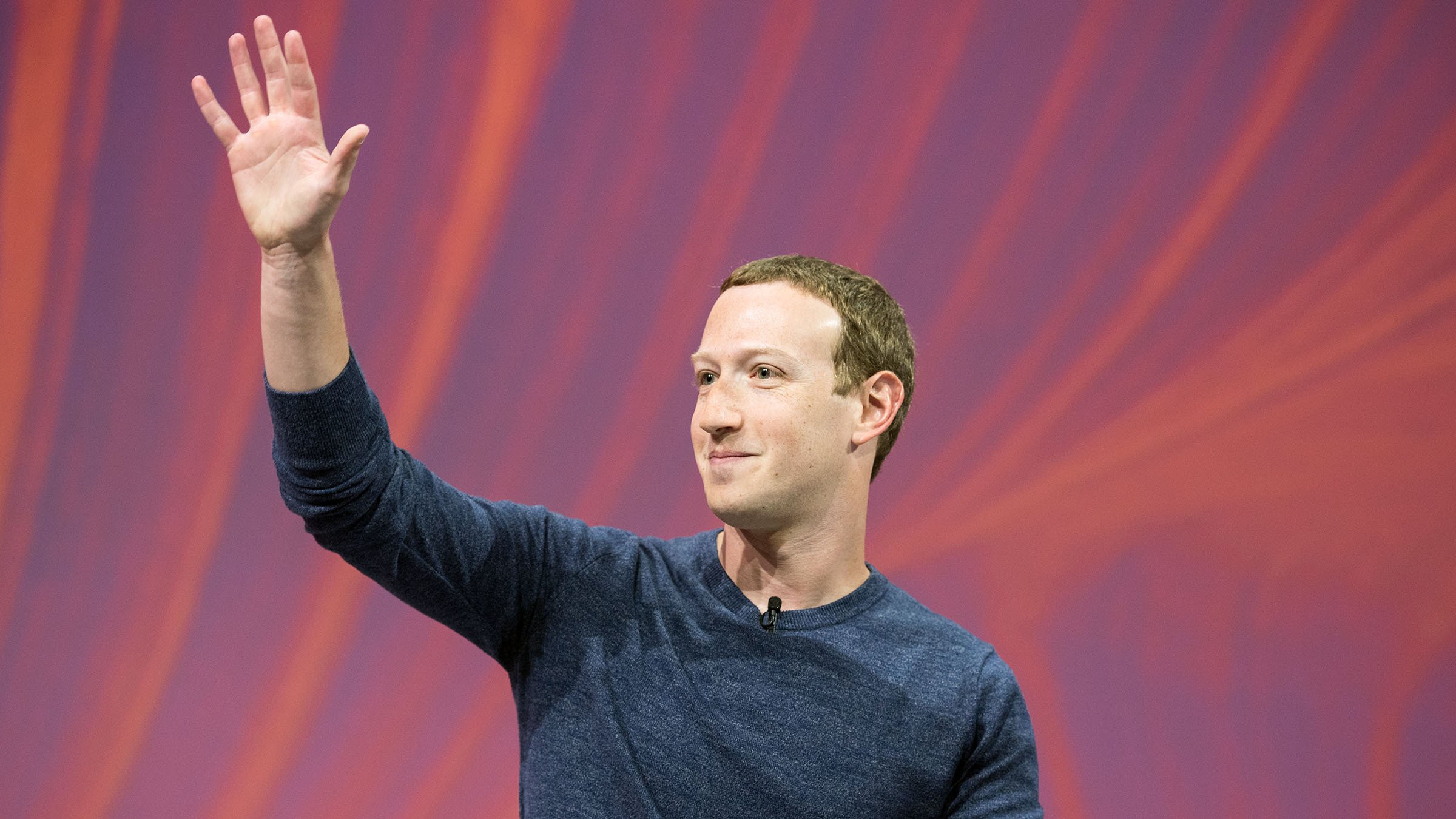
Mark Zuckerberg, the CEO of Meta Platforms, has publicly rejected the idea of a coordinated slowdown in artificial intelligence (AI) development among leading labs. Zuckerberg articulated his stance in a post on Threads, stating that competition and the potential for liability provide sufficient incentives for AI developers to independently prioritize safety measures. He cited Meta's own decision to delay the release of its internal AI model, Muse, as an example of this self-driven approach to safety. This statement comes amidst ongoing discussions within the AI community and among policymakers regarding the responsible development and deployment of advanced AI systems, with some advocating for a collective pause or slowdown to address potential risks.
Zuckerberg's argument centers on the inherent competitive pressures within the AI industry. He suggests that companies are motivated to act cautiously and implement robust safety protocols not out of a collective agreement, but because falling behind in safety could lead to significant reputational damage, regulatory scrutiny, or even legal repercussions. This competitive dynamic, he believes, is a more potent and sustainable driver for safety than a voluntary, coordinated halt. The delay of Meta's Muse model, which was reportedly intended for internal use and research, serves as a concrete illustration of this principle. While specific details about Muse's capabilities or the exact reasons for its delay beyond a general safety concern were not elaborated upon, the action itself underscores Zuckerberg's assertion that companies are capable of making independent safety-related decisions.
The broader context of this discussion involves a growing awareness of the potential risks associated with rapidly advancing AI, including issues of bias, misinformation, job displacement, and existential threats. Various prominent figures and organizations in the AI field have called for greater caution and oversight. For instance, a public letter signed by numerous AI researchers and executives in May 2023 called for a six-month moratorium on training AI systems more powerful than GPT-4. Zuckerberg's counter-argument suggests that such broad, coordinated calls for slowdowns might be unnecessary or even counterproductive if individual companies are already taking proactive steps. He implies that a decentralized approach, driven by market forces and legal frameworks, can effectively manage AI safety without stifling innovation through collective action.
Meta Platforms, a global technology conglomerate, is a significant player in the AI landscape, investing heavily in research and development across various AI domains, including large language models, computer vision, and generative AI. The company's AI division, Meta AI, is responsible for developing and deploying AI technologies that power many of its products and services, from social media feeds to virtual reality experiences. The decision to delay Muse, even if for internal purposes, signals a commitment to internal safety reviews that aligns with Zuckerberg's public statements. This approach contrasts with calls for external, collective pauses, positioning Meta as a company that believes in self-regulation driven by competitive and legal imperatives rather than industry-wide moratoriums.
Original source — read the full reporting at the publisher:
Read on DecryptGet the weekly AI digest
AI news + new model releases, weekly. Drafted by our agents, reviewed by humans.