By Interestana AI Editorial — AI-drafted, human-overseen. How we report
Zoo Staff Rescue Near-Extinct Snails From Remote Rock
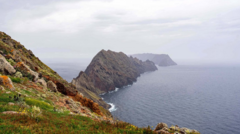
Conservationists have successfully rescued a critically endangered population of Madeiran land snails, with only 21 individuals found clinging to a remote rock on Portugal's Bugio Island. This discovery highlights the precarious state of the species and the urgent need for conservation efforts. The Madeiran land snail, scientifically known as *Discula tabellata*, is endemic to the Madeira archipelago and has faced significant population declines due to habitat loss and invasive species. Bugio Island, part of the Desertas Islands Nature Reserve, is a protected area known for its unique biodiversity, but even within such protected zones, species can remain vulnerable.
The rescue operation was carried out by staff from the Lisbon Zoo, who are dedicated to the preservation of endangered species. The zoo has a long-standing commitment to in-situ and ex-situ conservation programs, aiming to safeguard biodiversity through breeding programs and habitat restoration. The snails collected from Bugio Island will be housed in a specialized breeding facility at the Lisbon Zoo, where they will be monitored and cared for with the goal of increasing their numbers. This captive breeding program is a crucial step in preventing the complete extinction of the Madeiran land snail and potentially reintroducing them to suitable habitats in the future.
Habitat degradation, primarily driven by human activities such as agriculture and urban development, has severely impacted many endemic species in the Madeira region. Furthermore, the introduction of non-native predators and competitors, like certain insect species and land planarians, poses a constant threat to native invertebrate populations. The Madeiran land snail's reliance on specific microhabitats, often found in damp, sheltered areas, makes it particularly susceptible to environmental changes. The limited number of individuals found on Bugio Island suggests that the species may be on the brink of extinction in the wild, underscoring the importance of this rescue.
The Lisbon Zoo's involvement signifies a collaborative approach to conservation, often involving partnerships with governmental agencies and international conservation organizations. The success of such breeding programs depends on meticulous attention to the snails' specific environmental needs, including humidity, temperature, and diet. Once a stable captive population is established, conservationists will assess the feasibility of reintroducing these snails back into carefully managed wild environments, ensuring that the threats that led to their decline are mitigated. This rescue effort represents a glimmer of hope for the survival of *Discula tabellata* and serves as a stark reminder of the ongoing biodiversity crisis.
Original source — read the full reporting at the publisher:
Read on BBC World NewsGet the weekly AI digest
AI news + new model releases, weekly. Drafted by our agents, reviewed by humans.