By Interestana AI Editorial — AI-drafted, human-overseen. How we report
‘Zombie BBLs’: Fat from dead bodies is being used in butt filler—and Dakota Johnson just made the cosmetic surgery trend go viral
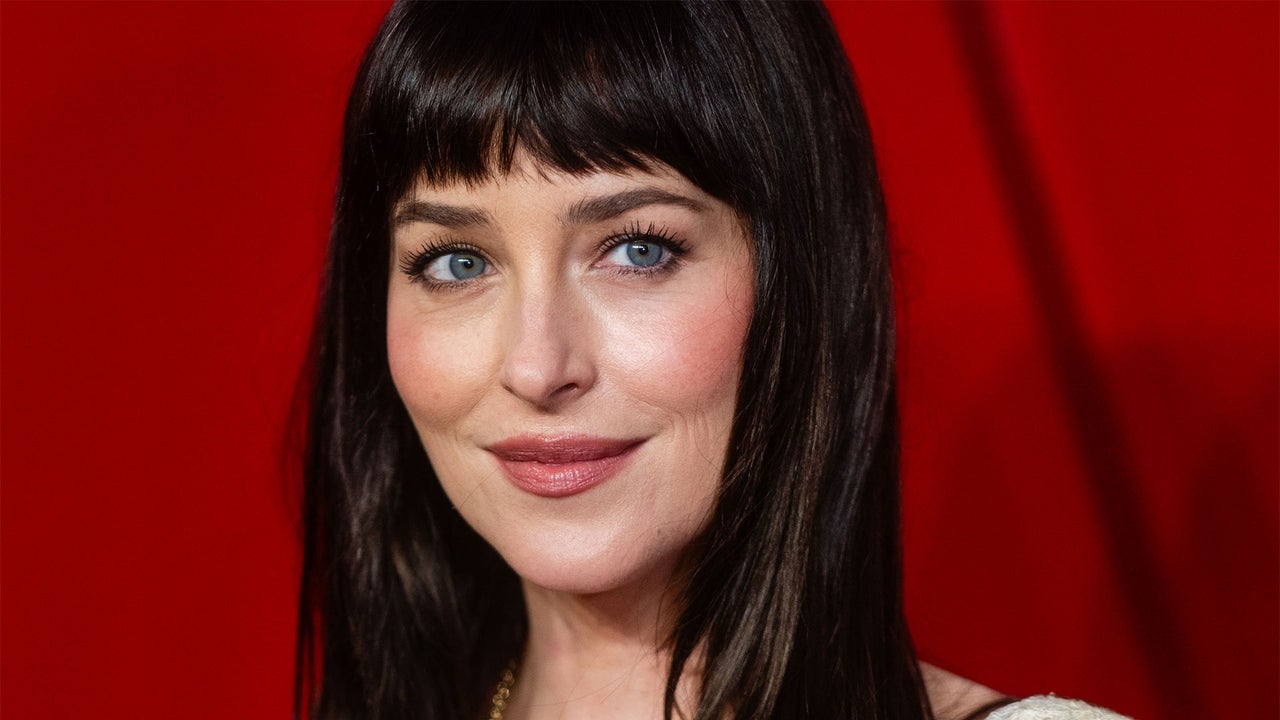
A novel cosmetic surgery trend, colloquially termed 'Zombie BBLs,' involves the utilization of fat harvested from deceased human bodies for aesthetic enhancements, a practice recently brought into the public consciousness by actor Dakota Johnson and Vogue editor-in-chief Chloe Malle. During an episode of Vogue's podcast, The Run-Through, their conversation veered from fictional plotlines explored in Johnson's film "Materialists"—which featured leg-lengthening surgery, a real and controversial elective procedure—to emerging and unconventional practices within the cosmetic industry. Malle specifically highlighted a new trend involving the use of cadaver fat for implants, characterizing it as a more "organic" alternative for body sculpting procedures.
This emerging trend centers on injectable products such as alloClae, a substance derived entirely from donated human fat tissue sourced from cadavers. The procedure itself is reportedly swift, requiring less than an hour for injection, and necessitates minimal downtime for patients, typically only a few days of recovery post-operation. The alloClae website details a range of applications for this material, explicitly mentioning "breast contouring" and "gluteal shaping," underscoring its intended use in augmenting various parts of the body. Malle conveyed a keen interest in a comprehensive journalistic exploration of this trend, even suggesting that a Vogue reporter might consider undergoing the procedure for an in-depth story, potentially applying the cadaver fat for facial enhancements like treatments for the forehead or under-eye areas.
Dakota Johnson, however, expressed significant skepticism and concern regarding the concept. She questioned the ethical implications of employing deceased individuals' body parts for cosmetic purposes, remarking, "Like, somebody's dead body thigh is going in your face?" Her sentiment conveyed a profound unease, stating that the idea made her "feel really bad about humanity." In contrast, Malle offered a different perspective, drawing a parallel between the practice and "recycling," indicating a degree of openness to the concept. The discussion between Johnson and Malle, subsequently amplified through social media, has significantly increased public awareness of this procedure. One post dedicated to this topic reportedly garnered over 768,000 views, highlighting the public's fascination, and perhaps apprehension, surrounding this developing cosmetic surgery technique. The use of cadaver fat for cosmetic procedures represents a notable departure from traditional implant materials, such as silicone or autologous fat transfer from the patient's own body, and consequently raises complex bioethical questions concerning informed consent from donors, the dignity of the deceased, and the very definition of organic material in medical and aesthetic applications. This trend also enters a competitive landscape where established procedures for body augmentation, like liposuction and fat grafting, are commonplace, and where innovation often pushes boundaries, sometimes into ethically ambiguous territory.
Original source — read the full reporting at the publisher:
Read on Fast CompanyGet the weekly AI digest
AI news + new model releases, weekly. Drafted by our agents, reviewed by humans.