By Interestana AI Editorial — AI-drafted, human-overseen. How we report
Zelenskyy Criticizes Allies Over Missile Defense Shortage
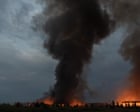
Ukrainian President Volodymyr Zelenskyy criticized allies for a perceived lack of adequate anti-missile defenses on August 5, 2026, following a significant Russian aerial assault on Kyiv that resulted in at least 17 fatalities and over 40 injuries. Zelenskyy stated that enhanced anti-ballistic measures could have potentially saved lives during the attack. Preliminary statistics released by Ukraine's air force indicated that the country successfully intercepted 98 out of 115 drones launched by Russia during the overnight operation. However, the air force also reported that Ukraine was unable to intercept any of the missiles fired by Russia, highlighting a critical gap in its defensive capabilities against this specific type of threat. The discrepancy in interception rates underscores Ukraine's reliance on external military aid for advanced air defense systems capable of countering ballistic missiles, as drones are more effectively managed with existing resources. The Guardian reported on the ongoing situation, noting that while Kyiv can neutralize the majority of incoming drones, its capacity to defend against missile threats remains heavily dependent on supplies from its international partners. This incident brings renewed urgency to Ukraine's appeals for more sophisticated air defense weaponry, particularly systems designed to intercept ballistic and cruise missiles, which pose a significant threat to civilian infrastructure and lives. The attack occurred amidst broader geopolitical tensions and ongoing conflict, with Ukraine consistently seeking to bolster its defenses against Russian aggression. The effectiveness of air defense systems is a crucial factor in Ukraine's ability to protect its population and critical infrastructure, and the current limitations in missile interception capabilities present a persistent vulnerability. The call for more advanced anti-missile systems is a recurring theme in Ukraine's diplomatic efforts and military requests to its Western allies, emphasizing the strategic importance of such armaments in the ongoing conflict. The human cost of this attack, with a substantial number of casualties, further amplifies the urgency of these appeals. The situation highlights the complex challenges faced by Ukraine in defending itself against a technologically advanced adversary, and the critical role of international military assistance in addressing these challenges. The reliance on allies for advanced weaponry underscores the interconnectedness of global security and the impact of geopolitical alliances on regional conflicts. The effectiveness of air defense is not merely a military concern but a humanitarian imperative, as evidenced by the tragic outcomes of this latest assault on the Ukrainian capital.
Original source — read the full reporting at the publisher:
Read on The Guardian WorldGet the weekly AI digest
AI news + new model releases, weekly. Drafted by our agents, reviewed by humans.