Zelensky to Press Nato for Air Defence Systems
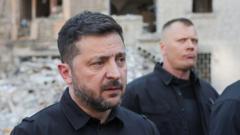
Ukrainian President Volodymyr Zelensky is scheduled to meet with Nato leaders in Turkey this week to advocate for increased air defence capabilities for Ukraine. The primary focus of his appeal will be the urgent need for more interceptor missiles to counter ongoing Russian aerial attacks. Zelensky intends to highlight the severity of recent Russian strikes and the critical role advanced air defence systems play in protecting Ukrainian cities and infrastructure.
During the Nato summit, President Zelensky plans to present a detailed assessment of the current threat landscape, emphasizing the escalating frequency and intensity of Russian missile and drone assaults. He will argue that a significant increase in the supply of interceptor missiles, along with the deployment of additional advanced air defence platforms, is essential to mitigate civilian casualties and preserve critical national assets. The Ukrainian delegation aims to secure concrete commitments from Nato member states regarding the provision of these vital military resources.
Sources close to the Ukrainian government indicate that President Zelensky will also discuss the broader implications of insufficient air defence for regional security. He is expected to stress that a robust defence against aerial aggression in Ukraine is not only a matter of national survival but also a crucial component of maintaining stability across the Eastern European flank of the Nato alliance. The president's address is anticipated to underscore the interconnectedness of security within the alliance and the necessity of collective action in the face of persistent threats.
Nato officials have acknowledged Ukraine's requests and are expected to engage in discussions regarding potential support mechanisms. While specific commitments are yet to be announced, the summit provides a platform for member states to coordinate their responses and assess their collective capacity to bolster Ukraine's defence. The outcome of these discussions could significantly influence the future trajectory of military aid and the strategic posture of the alliance.
Original source — read the full reporting at the publisher:
Read on BBC World News