By Interestana AI Editorial — AI-drafted, human-overseen. How we report
Zambians Vote in Presidential Election Amidst Economic Concerns
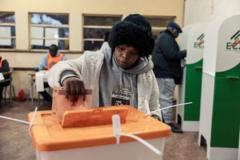
Zambians are participating in a national election where incumbent President Hakainde Hichilema is seeking a second term in office. The election comes at a time when the country continues to grapple with significant cost of living pressures, which have reportedly impacted Hichilema's appeal among the electorate. Hichilema, who assumed the presidency in August 2021, is campaigning on his administration's economic reforms and efforts to attract foreign investment. His supporters point to macroeconomic stability achieved during his first term, including a reduction in inflation and a more favorable exchange rate for the Zambian Kwacha. However, critics and segments of the population highlight the ongoing struggle with high prices for essential goods, such as food and fuel, and the perceived slow pace of job creation. The economic challenges are a central theme for opposition parties, who are using these issues to mobilize voters and present themselves as viable alternatives. The electoral commission has made arrangements for polling stations across the country, with security measures in place to ensure a peaceful and orderly process. International observers are expected to monitor the election to assess its fairness and transparency. The outcome of this election will have significant implications for Zambia's economic trajectory, its relationship with international financial institutions, and its broader political landscape. Hichilema's administration has been working closely with the International Monetary Fund (IMF) on a debt restructuring program, and the continuation of these policies will likely depend on the election results. The campaign period saw extensive rallies and public engagements by various candidates, each outlining their vision for the nation's future. Voter turnout is anticipated to be a key factor in determining the winner, with both the ruling party and opposition coalitions working to maximize their support bases. The election process is a critical test for Zambia's democratic institutions and its commitment to the rule of law. The results are expected to be announced within a few days of the polls closing, following the tabulation of votes from all constituencies. The nation awaits the decision of its citizens, which will shape the direction of the country for the next five years.
Original source — read the full reporting at the publisher:
Read on BBC World NewsGet the weekly AI digest
AI news + new model releases, weekly. Drafted by our agents, reviewed by humans.