By Interestana AI Editorial — AI-drafted, human-overseen. How we report
Plastic Ingestion From Cooking Utensils Highlighted
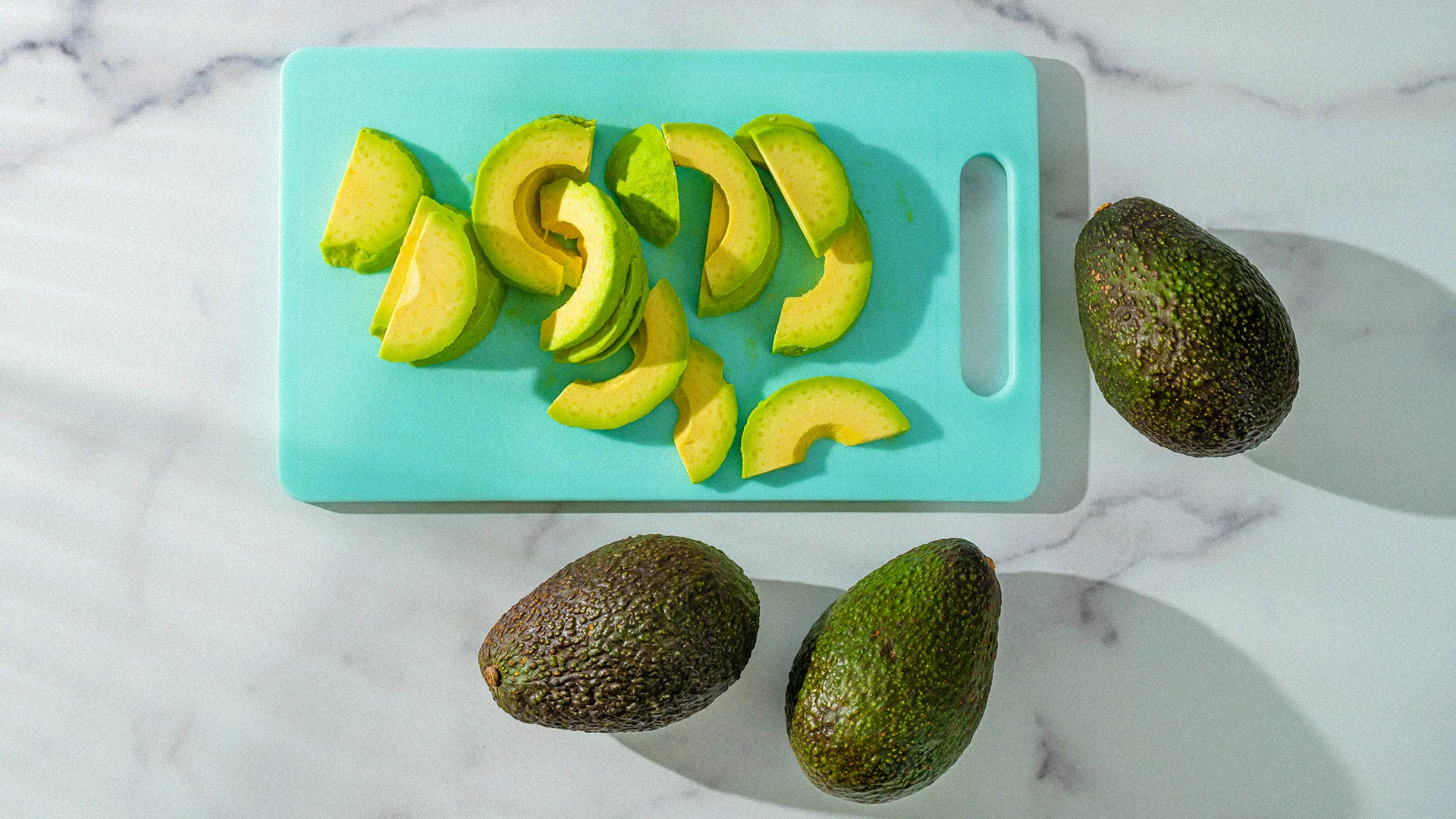
A growing online trend advocates for replacing plastic kitchenware, citing concerns about microplastic ingestion during cooking. This movement, often termed the "non-toxic kitchen" advice, is gaining traction as consumers seek healthier alternatives.
The scientific basis for these concerns stems from the potential for plastic materials to degrade and release microplastics, especially when exposed to heat, friction, or acidic substances commonly encountered in cooking. These microscopic particles can then enter food, leading to ingestion by consumers. While the full health implications of microplastic consumption are still under investigation, preliminary research suggests potential inflammatory responses and accumulation in the body.
Experts in materials science and toxicology are examining the types of plastics used in kitchenware and their propensity to shed microplastics. Certain types of plastic, particularly those that are flexible or have been subjected to wear and tear, may pose a higher risk. The advice often encourages a shift towards materials like glass, stainless steel, ceramic, or wood, which are considered more inert and less likely to break down into microparticles.
While the "non-toxic kitchen" trend highlights valid concerns about plastic use, the advice varies in its scientific rigor. Some recommendations are well-supported by material degradation studies, while others may be based on less conclusive evidence. Consumers are advised to research the specific materials of their kitchenware and consider replacements for items showing signs of damage or degradation, especially those used frequently for heating or preparing acidic foods. A significant change suggested is prioritizing durable, non-reactive materials for cooking and food storage.
Original source — read the full reporting at the publisher:
Read on Inc.Get the weekly AI digest
AI news + new model releases, weekly. Drafted by our agents, reviewed by humans.