By Interestana AI Editorial — AI-drafted, human-overseen. How we report
Canada Accuses US of Weaponizing Trade Amid Tariff Hikes
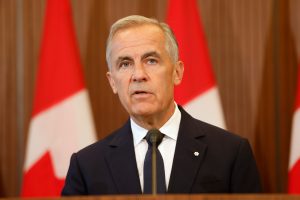
A significant trade dispute intensified between the United States and Canada on Saturday, marked by sharp accusations and the imposition of new tariffs that are anticipated to increase prices for consumers in both nations. The conflict escalated after negotiations in Washington concluded unsuccessfully late Friday, prompting the U.S. to implement a 50% tariff on approximately $20 billion worth of Canadian goods. In response, Canada announced that it would begin its own retaliatory tariffs on September 8.
These new U.S. import taxes, initiated by President Donald Trump, are set to affect about 5% of the total value of goods Canada exports to the United States annually. The affected products range widely, including items such as hockey sticks and tongue depressors. Canadian Prime Minister Mark Carney stated that Ottawa would counter with targeted tariff protections for domestic industries that are particularly vulnerable to the new U.S. duties. These sectors include specific steel products, as well as the dairy, appliance, agricultural equipment, pulp and paper, and electronics industries. Following these developments, no further trade talks were scheduled between the two countries.
One of the immediate casualties of this escalating trade war appears to be the trust between the two long-standing allies. Prime Minister Carney explicitly accused Washington of employing "economic integration as a weapon," suggesting that the U.S. commitment to such integration was "written in pencil." Employing strong, combative language, Carney characterized Canada's situation as being "attacked" by the recent American tariffs. He asserted that Canada possessed the necessary "reserves, resilience and plan to respond" to these actions, framing the situation in terms of warfare. He further elaborated that Canada had been prepared to lift its own retaliatory tariffs on steel, aluminum, and automobiles, provided the U.S. significantly reduced its tariffs and encouraged Canadian provinces to reinstate U.S. alcohol sales. However, he indicated that the final demands presented by Washington were unacceptable.
Conversely, Jamieson Greer, the chief U.S. trade negotiator, presented a different perspective. Speaking on "Fox & Friends Weekend," Greer stated that the U.S. was compelled to take action after a year of retaliatory measures from Canada. He emphasized that the U.S. had "had enough" and was implementing "countermeasures" with the primary objective of "protecting American workers and protecting American supply chains." The U.S. administration's stance suggests a belief that Canada initiated the retaliatory cycle, necessitating a U.S. response to safeguard its economic interests and workforce.
Original source — read the full reporting at the publisher:
Read on FortuneGet the weekly AI digest
AI news + new model releases, weekly. Drafted by our agents, reviewed by humans.