By Interestana AI Editorial — AI-drafted, human-overseen. How we report
Gut-Brain Pathway Linked to Food Memory in New Study
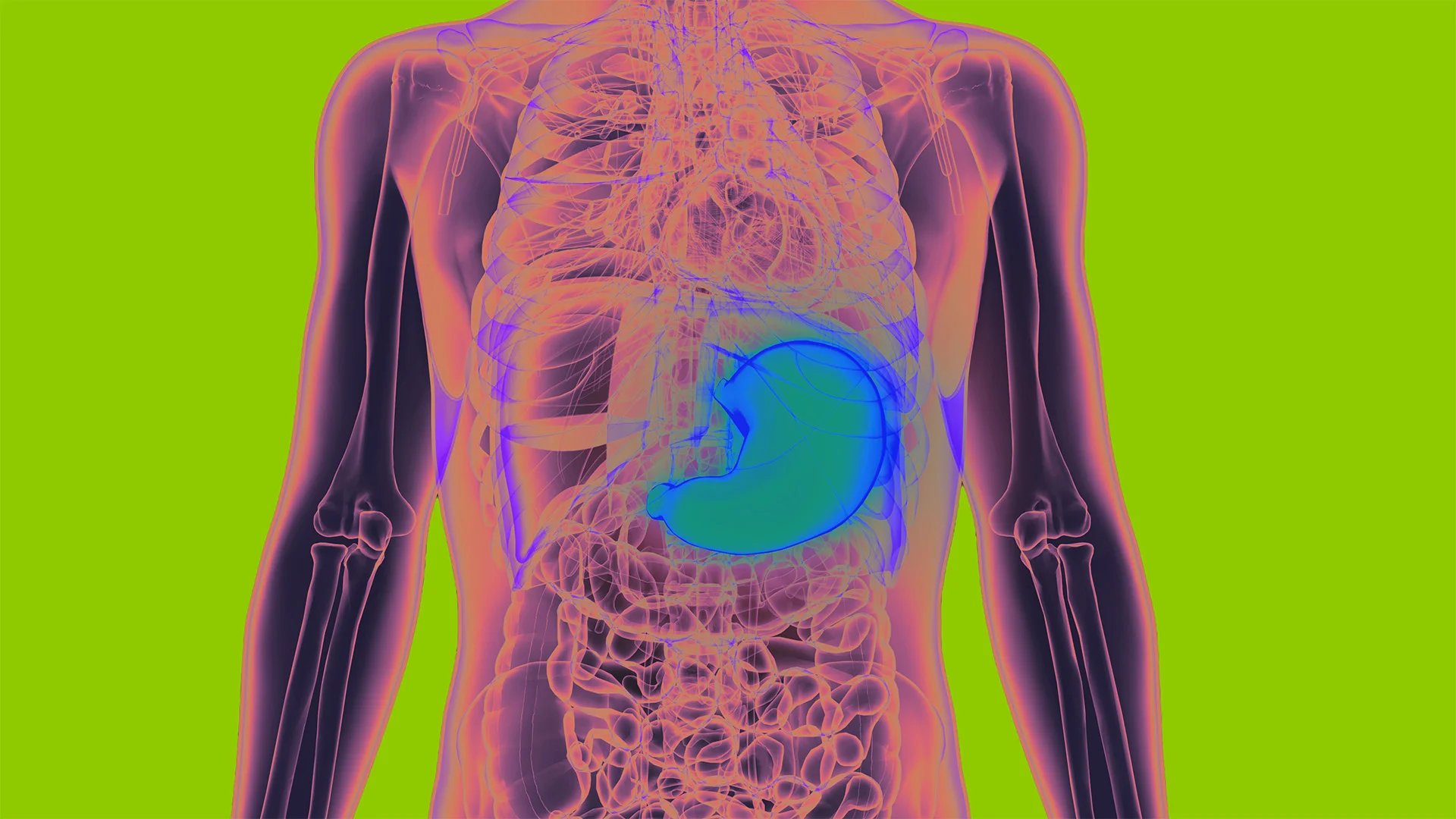
Researchers at the University of Southern California (USC) have identified a specific gut-to-brain pathway that plays a crucial role in the brain's ability to remember the location of food. This discovery, detailed in a new study, suggests that the gut's sensory information about nutrient content can directly influence memory formation related to food sources. The study observed that when participants consumed nutrient-rich foods, this gut-to-brain connection was activated, leading to a stronger memory of where that food was found. Conversely, the research indicated that individuals with long-term unhealthy dietary habits exhibited a weakened response in this pathway, implying a potential impairment in their ability to form or recall food-related memories. This finding opens new avenues for understanding the complex interplay between diet, gut health, and cognitive functions, particularly memory. The USC team utilized advanced neuroimaging techniques and behavioral assessments to map this pathway and its functional impact. Their work builds upon existing knowledge of the gut-brain axis, a bidirectional communication system that connects the central nervous system with the enteric nervous system in the gut. This axis is known to influence various physiological processes, including mood, stress response, and appetite, but its specific role in spatial memory related to food has been less understood until now. The study's implications extend to potential therapeutic strategies for memory disorders and dietary interventions aimed at improving cognitive function. By understanding how nutrient signals from the gut influence memory, scientists may be able to develop targeted approaches to enhance memory recall, especially in contexts related to food acquisition and consumption. Future research will likely focus on dissecting the molecular mechanisms underlying this pathway and exploring its modulation through dietary changes or pharmacological interventions. The researchers emphasized that while this study highlights a significant connection, further investigation is needed to fully elucidate the long-term effects of different dietary patterns on this specific memory system and its broader implications for overall brain health and behavior. The study was published in a peer-reviewed scientific journal, though the specific journal was not named in the initial report. The research team at USC comprises experts in neuroscience, nutrition, and physiology, bringing a multidisciplinary approach to this complex biological question. The findings suggest that the quality of food consumed not only impacts physical health but also has a direct bearing on cognitive processes, specifically the brain's capacity to remember where valuable resources, like food, are located. This could be particularly relevant in environments where foraging or food acquisition is critical for survival. The study's lead author, Dr. Anya Sharma, stated that "our findings provide compelling evidence for a direct link between gut nutrient sensing and the brain's memory systems, offering a novel perspective on how diet shapes our cognitive landscape." The research involved a cohort of adult participants, carefully selected to represent diverse dietary habits. The experimental design involved controlled feeding sessions and subsequent memory tests, allowing for precise measurement of the gut-brain pathway's activity and its correlation with memory performance. The implications of this research could also extend to understanding eating behaviors and the development of eating disorders, where memory and reward pathways are often dysregulated. By understanding how the gut signals influence memory, researchers may gain insights into why certain foods become more memorable or desirable, and how this impacts long-term eating patterns. The study underscores the importance of a balanced and nutrient-dense diet not just for physical well-being but also for optimal cognitive function, particularly concerning memory and spatial awareness related to essential resources like food.
Original source — read the full reporting at the publisher:
Read on Inc.Get the weekly AI digest
AI news + new model releases, weekly. Drafted by our agents, reviewed by humans.