By Interestana AI Editorial — AI-drafted, human-overseen. How we report
Apple, Samsung, Google End Smartwatch Support
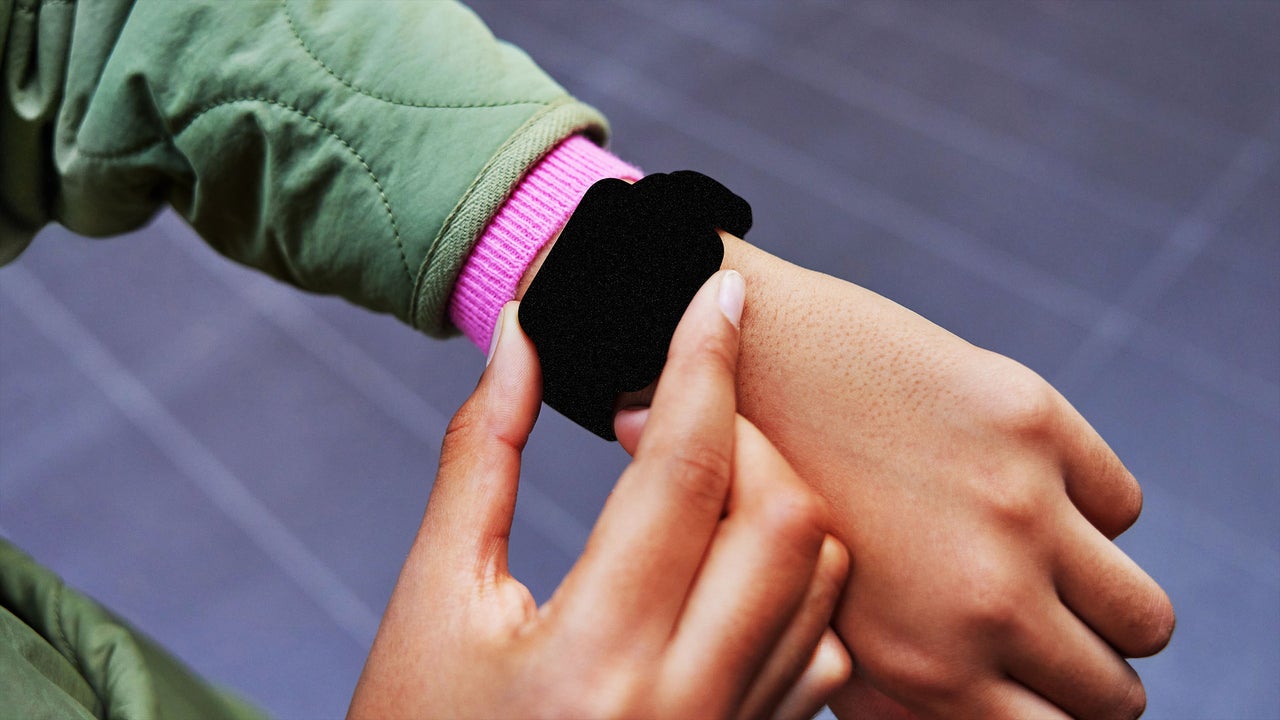
Apple, Samsung, and Google are discontinuing or reducing support for multiple smartwatch models in the coming months, a move that could leave users of these devices vulnerable to security threats. The cessation of support means that users will no longer receive new features, operating system updates, bug fixes, and critically, security patches. This end-of-life cycle for smartwatches is typically not due to hardware failure but rather manufacturer timelines and chipset obsolescence. Judson Dressler, head of the risk operations center at cyber risk company Resilience, explained that smartwatches are designated end-of-life on a predetermined schedule, not because the hardware malfunctions, but because manufacturers establish a support window at the time of launch and cease patching once it expires. He further noted that this practice often stems from the engineering costs associated with maintaining older models and the strategic incentive to encourage new purchases. While the core functionality of the watch is expected to remain largely intact after the support window closes, the absence of fixes for newly discovered vulnerabilities poses a significant risk.
For Apple users, the company designates products as "vintage" once they have been discontinued for sale for more than five but less than seven years. As of the current date, this classification includes all Apple Watch releases up to and including the Series 5. The forthcoming release of watchOS 27 is expected to transition several additional Apple Watch models into this category, signifying the end of their software update lifecycle. This means that owners of these specific Apple Watch models will no longer benefit from the latest security enhancements or feature updates provided by Apple, potentially exposing them to exploits targeting older software.
Samsung and Google are also implementing similar support cutoffs for their respective smartwatch lines. Specific models affected by these upcoming support changes have not been exhaustively detailed in all public announcements, but the trend indicates a broader industry practice of managing product lifecycles through phased support reduction. The decision to end support is driven by the economics of maintaining older technology and the strategic imperative to drive sales of newer devices. As chipsets become outdated and the cost of developing and testing updates for older hardware increases, manufacturers opt to focus their resources on current and future product lines. This creates a predictable obsolescence cycle for consumer electronics, compelling users to upgrade to remain secure and benefit from the latest technological advancements.
The implications of this end-of-support extend beyond mere inconvenience. Smartwatches, often connected to smartphones and other personal devices, can serve as entry points for cyberattacks if their operating systems and applications are not regularly patched against emerging vulnerabilities. Without security updates, these devices can become susceptible to malware, data theft, and unauthorized access to personal information. Consumers are therefore advised to be aware of the support status of their smartwatches and consider upgrading to models that will continue to receive security patches to mitigate these risks. The industry's practice of setting fixed support windows highlights the rapid pace of technological evolution and the ongoing challenge for consumers to keep pace with device lifecycles and associated security considerations.
Original source — read the full reporting at the publisher:
Read on Fast CompanyGet the weekly AI digest
AI news + new model releases, weekly. Drafted by our agents, reviewed by humans.