By Interestana AI Editorial — AI-drafted, human-overseen. How we report
Marine Navigation Upgrades Mimic Automotive UX
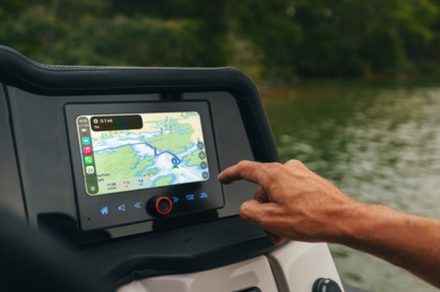
Marine navigation systems are undergoing a significant transformation, adopting user interface and functionality paradigms previously exclusive to the automotive sector. This evolution aims to make operating boats more intuitive and accessible, drawing parallels with the familiar experience of driving a car. The core objective is to simplify complex navigational tasks and provide a more integrated, user-friendly control experience at the helm.
Key advancements include the integration of advanced graphical displays that offer richer, more dynamic information than traditional radar or chartplotters. These new systems are designed to present data in a manner akin to a car's dashboard, with customizable layouts and clear visual cues for critical information such as speed, depth, heading, and proximity to other vessels or obstacles. The goal is to reduce cognitive load on the operator, allowing them to focus more on situational awareness and less on deciphering complex instrumentation.
Furthermore, the integration of artificial intelligence and machine learning is playing a crucial role in this upgrade. These technologies enable predictive capabilities, such as anticipating potential collision risks or suggesting optimal routes based on real-time weather and traffic conditions. Some systems are incorporating voice command functionalities, mirroring the hands-free operation common in modern vehicles, thereby further enhancing ease of use and safety. The development also extends to enhanced connectivity, allowing for seamless integration with other onboard systems like autopilots, engine diagnostics, and entertainment systems, creating a unified digital experience.
This shift is driven by a desire to broaden the appeal of boating to a wider audience, including those who may be intimidated by traditional marine electronics. By making navigation more akin to familiar automotive technology, manufacturers hope to lower the barrier to entry for new boaters and improve the overall satisfaction for experienced mariners. The focus is on creating a more responsive, intelligent, and personalized navigation experience that prioritizes safety and comfort, ultimately making time spent on the water more enjoyable and less demanding. The long-term vision is a future where boat operation is as seamless and integrated as driving a car, with advanced digital assistance becoming standard.
Original source — read the full reporting at the publisher:
Read on Digital TrendsGet the weekly AI digest
AI news + new model releases, weekly. Drafted by our agents, reviewed by humans.