By Interestana AI Editorial — AI-drafted, human-overseen. How we report
EVs Have Two Horsepower Ratings, Automakers Advertise One
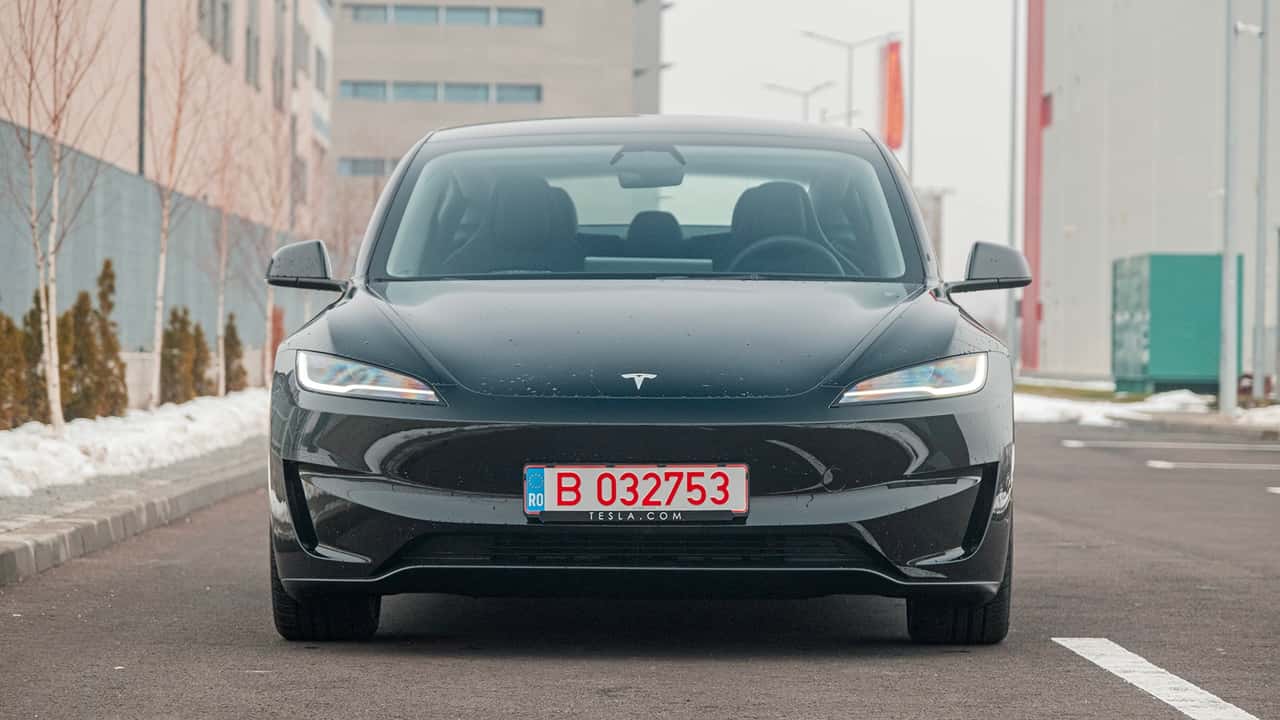
Electric vehicles (EVs) are equipped with two distinct horsepower ratings, a detail that often goes unnoticed by consumers as automakers typically advertise only one. The first rating represents the peak horsepower, which is the maximum power output the vehicle's drivetrain can deliver for very short durations, such as during rapid acceleration. This figure is often the most impressive and is prominently featured in marketing materials. However, this peak output is not sustainable for extended periods and can lead to overheating or reduced efficiency if relied upon continuously.
The second, and often less publicized, horsepower rating is the sustained horsepower. This figure indicates the amount of power the drivetrain can consistently deliver over a considerably longer period without overheating or experiencing significant performance degradation. This sustained power is more indicative of the vehicle's capability during typical driving conditions, such as highway cruising or climbing long inclines. The discrepancy between these two ratings can be substantial, with peak horsepower figures sometimes being significantly higher than the sustained output.
Automakers tend to prioritize advertising the peak horsepower because it is a more attention-grabbing number and aligns with traditional internal combustion engine (ICE) vehicle marketing, which also focuses on maximum power output. This practice can create a perception of higher performance than might be consistently achievable in real-world driving scenarios. For consumers, understanding the difference between peak and sustained horsepower is crucial for making informed purchasing decisions, especially when comparing different EV models or when considering the vehicle's suitability for specific use cases, such as towing or long-distance driving where sustained power is more relevant.
The distinction between peak and sustained power is a fundamental aspect of electric drivetrain engineering. Electric motors, unlike internal combustion engines, can deliver instant torque and high power output. However, the battery and power electronics managing the flow of energy also have thermal limits. The peak rating reflects the motor's capability under ideal, short-lived conditions, while the sustained rating accounts for the thermal management systems' ability to dissipate heat and maintain performance over time. This difference is particularly important for performance-oriented EVs where drivers might expect to utilize high power levels for longer durations, such as on a racetrack or during spirited driving on winding roads. Without clear communication from manufacturers, consumers may be misled about the consistent performance capabilities of their electric vehicles.
Original source — read the full reporting at the publisher:
Read on InsideEVsGet the weekly AI digest
AI news + new model releases, weekly. Drafted by our agents, reviewed by humans.