By Interestana AI Editorial — AI-drafted, human-overseen. How we report
Google Pixel 11 Gets Android 17's Pause Point App Delay
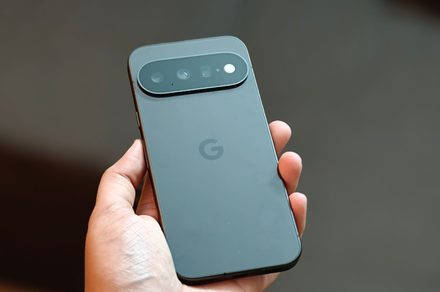
Google's upcoming Android 17 operating system will feature a new Digital Wellbeing tool called Pause Point, designed to help users curb mindless scrolling by introducing a deliberate delay before opening applications identified as distracting. This feature adds a mandatory 10-second pause, requiring users to actively confirm their intention to open the app, thereby encouraging more mindful usage. However, the initial rollout of Pause Point is restricted exclusively to the Google Pixel 11 series of smartphones. This exclusivity means that users of other Android devices will not have access to this specific Digital Wellbeing enhancement at launch. The Pause Point feature is integrated within the broader Digital Wellbeing suite, which Google has been developing to provide users with insights and controls over their device usage patterns. Previous iterations of Digital Wellbeing have included tools for app timers, focus modes, and wind-down routines, all aimed at promoting healthier digital habits. The introduction of a timed delay represents a new approach to directly address the impulse-driven opening of frequently used, yet potentially time-consuming, applications. The decision to limit this feature to the Pixel 11 series aligns with Google's strategy of using its flagship devices as a testing ground for new software innovations before wider deployment. This approach allows Google to gather user feedback and refine the feature in a controlled environment. The Pixel 11, as Google's latest flagship smartphone, is positioned to showcase the cutting-edge software capabilities developed by the company. While the specific list of applications that will be flagged as "distracting" by default has not been detailed, it is anticipated that common social media platforms, news aggregators, and other time-intensive apps will be included. Users will likely have the ability to customize which apps are subject to the Pause Point delay, allowing for a personalized approach to managing digital distractions. The 10-second delay is a calculated interval, intended to be long enough to break the automatic habit of opening an app but short enough not to become an undue burden for essential applications. This feature aims to provide a moment of reflection, prompting users to consider whether opening the app is a conscious decision or an automatic response to boredom or habit. The broader implications of Pause Point extend to the ongoing conversation around digital well-being and the design of technology that supports rather than detracts from users' mental health and productivity. By introducing friction into the app-opening process, Google is attempting to empower users with greater control over their digital interactions, moving beyond simple usage tracking to active intervention. The success of Pause Point will depend on its effectiveness in changing user behavior and its adoption rate among Pixel 11 owners. Future Android versions or broader device availability may depend on the performance and reception of this feature on the Pixel 11.
Original source — read the full reporting at the publisher:
Read on Digital TrendsGet the weekly AI digest
AI news + new model releases, weekly. Drafted by our agents, reviewed by humans.