By Interestana AI Editorial — AI-drafted, human-overseen. How we report
Solar-Powered Sea Slug Performs Photosynthesis
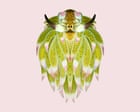
The leaf sheep, scientifically known as *Costasiella kuroshimae*, is a remarkably ingenious sea slug that has captured attention for its unique ability to perform photosynthesis. This tiny marine gastropod, measuring about the size of a grain of rice, exhibits a lifestyle far more advanced than many land mammals. Its common name, 'leaf sheep,' derives from its habit of grazing on specific species of algae, which it consumes in the tropical waters surrounding Japan, Indonesia, and the Philippines. However, this nickname only partially captures its extraordinary capabilities.
The leaf sheep's most astonishing trait is its capacity for kleptoplasty, a process where it steals chloroplasts from the algae it eats and integrates them into its own tissues. These stolen chloroplasts continue to function within the slug's body, allowing it to produce energy directly from sunlight, much like a plant. This makes the leaf sheep one of the few known animals capable of photosynthesis, effectively turning it into a solar-powered organism. The chloroplasts are typically stored in specialized structures within the slug's cerata, which are the finger-like projections on its back that resemble leaves, further enhancing its photosynthetic efficiency and giving it a vibrant green coloration.
This ability to harness solar energy provides the leaf sheep with a significant advantage, supplementing its diet and reducing its need to constantly forage for food. The process is not permanent; the slug must continually consume algae to replenish its supply of chloroplasts, as they have a limited lifespan within the slug's body. The leaf sheep's life cycle and unique adaptations have led to its recognition as a noteworthy invertebrate, highlighting the incredible diversity and innovation found in marine ecosystems. Its appearance, often described as 'Pokémon-like' with its beady eyes and bright green hue, adds to its charm and appeal, making it a subject of fascination for both scientists and the public.
The discovery and study of *Costasiella kuroshimae* underscore the vast and often surprising biological mechanisms present in the natural world. Its ability to integrate and utilize cellular machinery from another kingdom of life is a testament to evolutionary adaptability. Researchers continue to explore the precise biochemical pathways and genetic mechanisms that enable this remarkable feat, offering potential insights into bio-engineering and sustainable energy production. The leaf sheep serves as a compelling example of how life can find extraordinary ways to thrive, even in seemingly simple organisms, by leveraging complex symbiotic relationships and cellular processes.
Original source — read the full reporting at the publisher:
Read on The Guardian EnvironmentGet the weekly AI digest
AI news + new model releases, weekly. Drafted by our agents, reviewed by humans.