By Interestana AI Editorial — AI-drafted, human-overseen. How we report
Rivian R2 Lidar Option Delayed to 2026
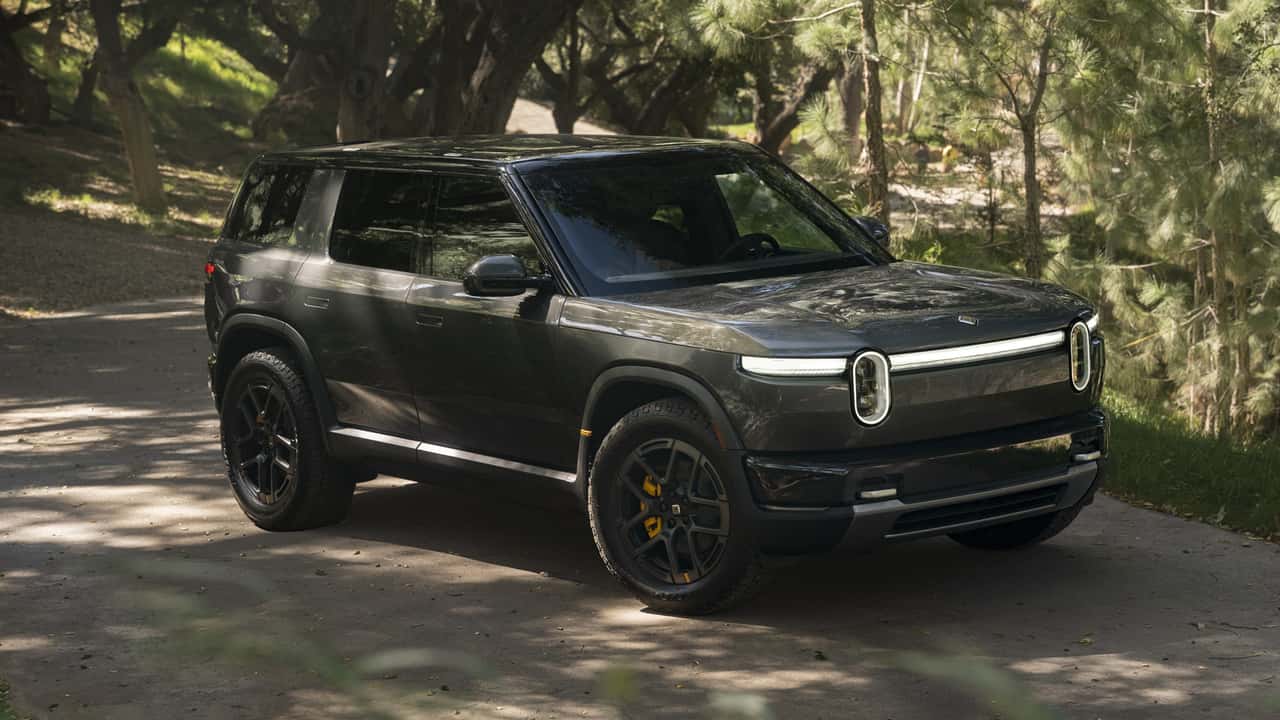
Rivian announced on April 25, 2024, that the planned availability of its new autonomy computer and lidar system for the Rivian R2 electric SUV will be delayed. While the company still intends to launch these advanced features this year, consumers will not be able to purchase vehicles equipped with them until 2026. This marks a significant shift from earlier expectations, which had suggested the lidar option would be available at launch. The Rivian R2, unveiled in March 2024, is a compact SUV positioned as a more accessible offering compared to the R1T and R1S models. It was designed with a focus on advanced driver-assistance systems, including the integration of a proprietary autonomy computer and lidar sensor. The delay means that early R2 buyers will not have access to the full suite of autonomous driving capabilities that Rivian had promoted. The company has not specified the exact reasons for the delay, but it is common for complex hardware and software integrations, especially in the automotive sector, to encounter unforeseen development or production challenges. The autonomy computer is intended to process sensor data for advanced features, while lidar provides precise environmental mapping crucial for navigation and safety systems. Rivian's commitment to developing its own in-house autonomy technology is a key part of its long-term strategy to differentiate its vehicles and control the development of its software stack. The delay in delivering this hardware capability could impact customer perception and the competitive positioning of the R2, particularly as other automakers continue to advance their own autonomous driving technologies. The R2 is a critical model for Rivian's growth, aiming to broaden its market appeal beyond the premium segment occupied by the R1 series. The vehicle is expected to start at approximately $45,000, making it a more attainable option for a wider range of consumers. The initial rollout of the R2 is still slated for the first half of 2026, with the lidar-equipped versions to follow. Rivian's stock experienced a decline following the announcement of the delay, reflecting investor concerns about the impact on sales projections and the company's ability to execute its product roadmap. The company's financial performance has been under scrutiny as it works to scale production and achieve profitability. The delay in the lidar option could also affect Rivian's ability to compete with other electric vehicle manufacturers that are either already offering advanced driver-assistance systems or have more concrete timelines for their deployment. The company's focus remains on delivering the core R2 vehicle on schedule, with the advanced autonomy features to be integrated subsequently. This phased approach to feature rollout is not uncommon in the automotive industry, but the specific nature of the delay for a key technological differentiator warrants attention.
Original source — read the full reporting at the publisher:
Read on InsideEVsGet the weekly AI digest
AI news + new model releases, weekly. Drafted by our agents, reviewed by humans.