By Interestana AI Editorial — AI-drafted, human-overseen. How we report
Castrol Research Links Slow Driving Thrills to Brain Activity
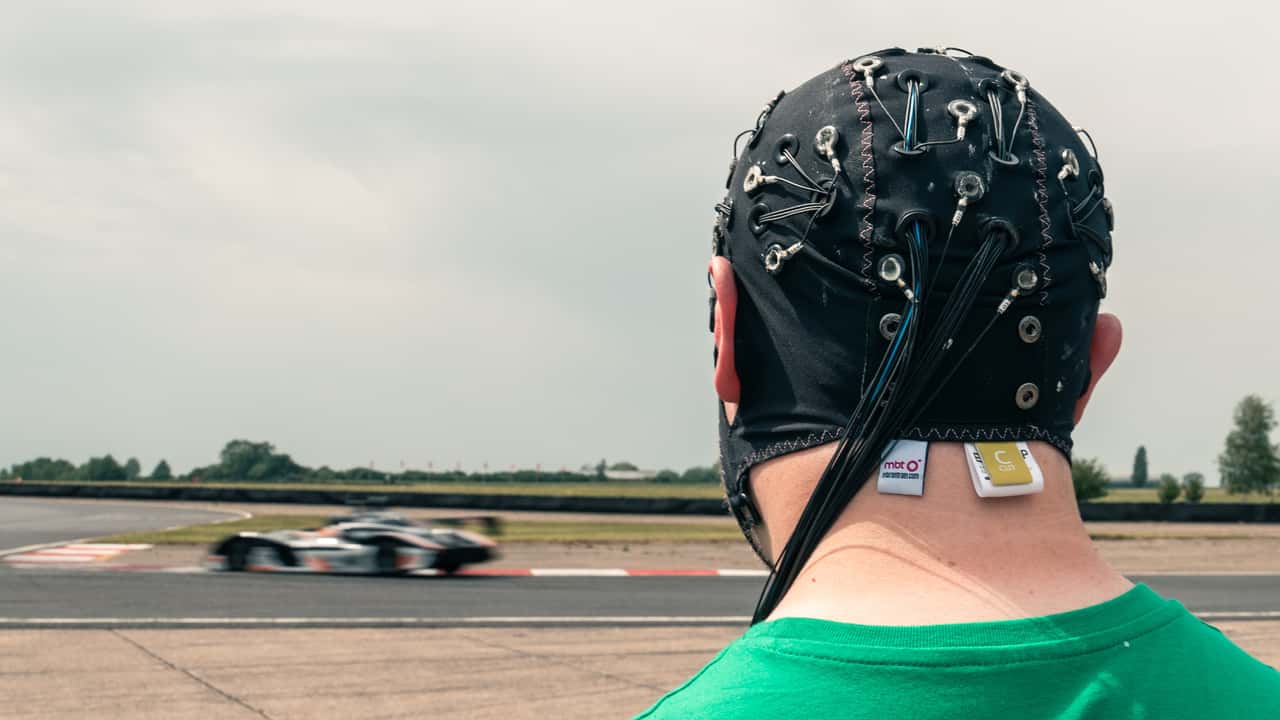
Castrol, in collaboration with Brainbox, has conducted research to understand the physiological responses associated with thrilling driving experiences, finding that intense excitement does not solely depend on high speeds. The study utilized advanced monitoring techniques to pinpoint the exact moments when driving feels thrilling rather than frightening. This research aimed to demystify the subjective experience of driving excitement and provide scientific backing for the idea that exhilaration can be achieved through means other than sheer velocity. By analyzing specific bodily reactions, the study sought to identify the neurological and physiological markers that differentiate a thrilling drive from a stressful or scary one.
The core of the Castrol and Brainbox research involved tracking several key physiological indicators in participants. These included brain wave activity, which offers insights into cognitive and emotional states; heart rate, a common measure of physiological arousal; skin response, often linked to emotional intensity and stress; and eye movement, which can reveal focus and engagement. By collecting this data, researchers were able to correlate specific patterns of activity with the subjective reports of participants regarding their driving experience. The objective was to move beyond anecdotal evidence and establish a quantifiable link between physical responses and the perception of thrill while driving. This approach allows for a more objective understanding of what constitutes an exciting driving scenario.
This scientific exploration by Castrol and Brainbox suggests that the perception of thrill in driving is a complex interplay of sensory input and internal physiological reactions, rather than a simple function of speed. The findings imply that driving experiences can be engineered to be thrilling even at moderate or lower speeds, potentially opening new avenues for automotive design and driver engagement strategies. Understanding these physiological triggers could inform the development of in-car technologies or driving programs that enhance driver enjoyment and focus without necessarily pushing the boundaries of speed. The research contributes to a broader scientific understanding of human perception and emotional response in dynamic environments, with direct applications in the automotive sector.
The implications of this research extend to how driving experiences are designed and perceived. By identifying the specific physiological responses that contribute to a feeling of thrill, manufacturers and driving instructors can potentially create more engaging and enjoyable driving scenarios that prioritize driver sensation and focus over raw speed. This could lead to innovations in vehicle dynamics, interior design, and even driver training programs. The study by Castrol and Brainbox provides a scientific foundation for appreciating the nuanced relationship between human physiology and the subjective experience of excitement, particularly within the context of driving. It underscores that the thrill of driving is an internal experience influenced by a variety of factors beyond just the speedometer reading.
Original source — read the full reporting at the publisher:
Read on Motor1Get the weekly AI digest
AI news + new model releases, weekly. Drafted by our agents, reviewed by humans.