By Interestana AI Editorial — AI-drafted, human-overseen. How we report
Bolivia Faces Economic Crisis as Gas Reserves Deplete
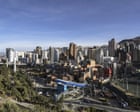
Bolivia's economy, which experienced significant growth and poverty reduction due to a fossil gas boom between 2006 and 2014, is now confronting a severe economic downturn as its natural gas reserves dwindle and inflation rises. During the boom years, the country saw its Gross Domestic Product (GDP) expand, social programs flourish, and poverty rates halved, enabling then-president Evo Morales to commission ambitious infrastructure projects such as a gleaming presidential skyscraper and the world's longest urban cable car network in La Paz, the seat of government. This period was often referred to as Bolivia's "economic miracle."
However, the collapse in commodity prices and the depletion of gas reserves have brought this era of prosperity to an abrupt end. The country is now grappling with rising inflation, a stark contrast to its previous economic stability. This situation has led to concerns that Bolivia might repeat historical patterns of economic vulnerability, particularly its reliance on a single commodity. The current economic challenges are forcing a re-evaluation of the nation's economic model, which has historically been characterized by a "big-state" approach.
In response to the crisis, Bolivia is exploring alternative economic strategies, including increased exports of gold and soybeans. However, there is skepticism among some analysts and citizens about whether these new export sectors can adequately replace the revenue generated by fossil fuels or provide long-term economic stability. The transition away from a fossil fuel-dependent economy presents significant challenges, requiring diversification and investment in new industries. The success of these new strategies will be crucial in determining Bolivia's economic future and its ability to avoid past pitfalls.
The current economic climate in Bolivia is marked by a significant shift from the prosperity of the gas boom. The decline in gas production, which was once the backbone of the nation's economy, has created a fiscal deficit and put pressure on government finances. The International Monetary Fund (IMF) has previously conducted consultations with Bolivia regarding its economic policies, highlighting the importance of fiscal discipline and structural reforms. The country's ability to manage its current economic challenges will depend on its capacity to implement effective policies that foster sustainable growth and reduce its reliance on volatile commodity markets. The historical context of Bolivia's economic cycles, marked by periods of boom and bust, underscores the urgency of finding a more resilient economic path forward.
Original source — read the full reporting at the publisher:
Read on The Guardian EnvironmentGet the weekly AI digest
AI news + new model releases, weekly. Drafted by our agents, reviewed by humans.