By Interestana AI Editorial — AI-drafted, human-overseen. How we report
Yayoi Kusama, Polka-Dot Artist, Dies at 97
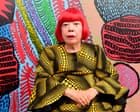
Japanese artist Yayoi Kusama, celebrated for her distinctive polka-dotted paintings, stuffed cloth phalloi, and immersive infinity mirror room installations, has died at the age of 97. Kusama's extensive body of work also encompassed provocative happenings, films, novels, and poetry, all deeply intertwined with her lifelong struggles with obsessions and neuroses. In her 2002 autobiography, "Infinity Net," Kusama articulated how her art served as a means to confront and recreate the overwhelming sensory experiences and internal "furtive appearances" she encountered from her earliest memories, seeking to decipher their nature through visual expression.
Upon her arrival in New York in the late 1950s, Kusama's innovative artistic contributions were recognized by critics and her peers. Fellow artist Donald Judd, a minimalist sculptor and friend, lauded Kusama's ability to transcend cultural categorizations, describing her work as surpassing "whatever ... is oriental or American." Judd's assessment, however, also highlighted the formal aspects of her art, such as her use of shallow pictorial space, which aligned with the prevailing aesthetic concerns of the New York art scene at the time. Kusama's early career in New York established her as a significant figure in the avant-garde movement, paving the way for her later international acclaim.
Kusama's artistic journey began in Japan, where she developed her signature style. Her early experiences, marked by hallucinations and a profound sense of anxiety, fueled her creative output. The repetitive nature of her polka dots, a motif that became synonymous with her name, can be seen as a manifestation of her attempts to control and understand these internal experiences. Her move to the United States in 1957 was a pivotal moment, exposing her to a vibrant and experimental art world. She quickly became a prominent figure in the downtown New York art scene, participating in happenings and exhibitions that challenged conventional artistic boundaries. Her work during this period was characterized by its boldness, its engagement with themes of sexuality and social protest, and its unique visual language.
Throughout her career, Kusama consistently pushed the boundaries of artistic expression. Her "Infinity Mirror Rooms," first created in the 1960s, offered viewers an immersive experience of endless reflections, creating a sense of infinite space and self-obliteration. These installations have become some of her most iconic works, drawing large crowds and solidifying her reputation as a pioneering artist. Beyond her visual art, Kusama also explored other mediums, including performance art, film, and literature, demonstrating a versatile and multifaceted creative spirit. Her enduring legacy lies in her ability to translate personal psychological struggles into universally resonant artistic statements, making her a truly singular voice in contemporary art.
Original source — read the full reporting at the publisher:
Read on The Guardian CultureGet the weekly AI digest
AI news + new model releases, weekly. Drafted by our agents, reviewed by humans.