By Interestana AI Editorial — AI-drafted, human-overseen. How we report
Worst Ever Bluetongue Outbreak Hits British Farms Amidst Climate Crisis
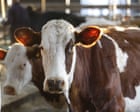
British farmers are currently grappling with the most severe bluetongue disease outbreak on record, with the number of confirmed cases significantly exceeding the combined total from the past three years. This viral illness, primarily affecting livestock such as sheep and cattle, but also impacting other ruminants, presents a range of debilitating symptoms. Infected animals can develop high fevers, painful ulcers, significant swelling of the head, and lameness. A characteristic, though not always present, symptom is the blue discoloration of the tongue, which may even protrude from the animal's mouth. In the most severe instances, bluetongue can prove fatal, leading to substantial economic losses for the agricultural sector and raising serious concerns about animal welfare.
The unprecedented scale and geographical reach of this outbreak have been strongly linked to the ongoing climate crisis. Bluetongue is a vector-borne disease, meaning it is transmitted by insects, specifically biting midges of the Culicoides genus. Warmer temperatures and altered weather patterns, consistent with global climate change, are believed to be creating more favourable conditions for these midges to survive, reproduce, and expand their geographical range. Historically, bluetongue has been endemic to tropical and subtropical regions, originating in Africa. However, its northward expansion has been a growing concern. This season, the disease has been detected in livestock as far north as Aberdeenshire in Scotland, a region previously considered too cold for the virus-carrying midges to establish a significant presence or for the virus to overwinter effectively. This northward shift represents a significant departure from previous patterns.
The implications for British agriculture are substantial and multifaceted. Beyond the direct threat to animal health and survival, the disease significantly impacts trade and the movement of livestock. To curb further transmission, veterinary authorities often impose movement restrictions on animals in affected areas. These restrictions can disrupt established supply chains, leading to financial strain on farmers and potentially impacting the availability and price of agricultural products. The increased prevalence and the notable geographical spread of bluetongue underscore the escalating challenges faced by the agricultural industry in adapting to a rapidly changing climate. Veterinary authorities, such as the Animal and Plant Health Agency (APHA) in the UK, are closely monitoring the situation and providing guidance to farmers on essential preventative measures and biosecurity protocols aimed at mitigating the impact of this severe outbreak.
Original source — read the full reporting at the publisher:
Read on The Guardian WorldGet the weekly AI digest
AI news + new model releases, weekly. Drafted by our agents, reviewed by humans.