By Interestana AI Editorial — AI-drafted, human-overseen. How we report
Cameroon's President Reshuffles Military Amid Health Concerns
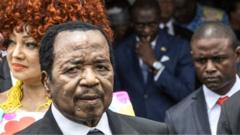
Cameroon's President Paul Biya, the world's oldest serving head of state, has initiated a substantial reshuffling of the nation's military leadership. This move comes amid a prolonged absence from public view, which has spanned approximately two months and intensified rumors concerning his health. Biya's office has consistently denied these health-related speculations, asserting that the president is in good condition and carrying out his duties. However, the timing and scale of the military appointments have drawn considerable attention and raised questions about the stability and transparency of governance in Cameroon.
The reshuffled positions include key roles within the armed forces, signaling a strategic realignment of the country's defense apparatus. While specific details regarding the exact number of appointments and the precise nature of the changes have not been fully disclosed by official channels, sources indicate that several high-ranking officers have been reassigned or retired. This type of significant personnel change within the military, particularly during a period of presidential absence, is often interpreted as an effort to consolidate power, ensure loyalty, or address perceived security vulnerabilities. The lack of detailed public information from the presidency further fuels public unease and speculation, as citizens and observers seek clarity on the situation.
President Biya, who has been in power since 1982, is 91 years old, making him one of the longest-serving leaders globally. His advanced age and infrequent public appearances have been a recurring subject of discussion and concern for many years. This latest period of absence, however, appears to have heightened these anxieties, particularly within Cameroon. The country has faced various internal security challenges, including insurgencies in the Anglophone regions and threats from groups like Boko Haram in the north. Therefore, any perceived instability or lack of clear leadership at the highest levels can have significant implications for national security and public confidence. The military reshuffle, in this context, is being closely scrutinized for its potential impact on the country's internal security posture and the continuity of governance.
Analysts suggest that the president's team may be attempting to project an image of control and proactive governance by announcing these military changes, even while the president himself remains out of the public eye. This strategy aims to quell rumors and reassure the populace and international partners that the state machinery is functioning effectively. However, the effectiveness of this approach is debatable, as the lack of direct presidential engagement and the persistent health rumors continue to cast a shadow over the administration. The situation highlights the delicate balance between maintaining public order, managing public perception, and ensuring transparent leadership, especially in countries with long-serving leaders and complex security environments. The coming weeks will likely reveal more about the implications of these military appointments and the overall political climate in Cameroon.
Original source — read the full reporting at the publisher:
Read on BBC World NewsGet the weekly AI digest
AI news + new model releases, weekly. Drafted by our agents, reviewed by humans.