By Interestana AI Editorial — AI-drafted, human-overseen. How we report
Iran Sanctions Threat Met With Global Indifference
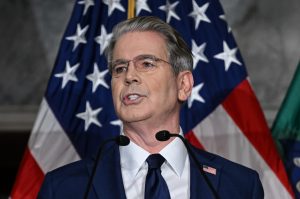
United States Treasury Secretary Scott Bessent initiated the week with a strong declaration of an "economic onslaught" targeting Iran and its international trading partners, aiming to influence the ongoing conflict. However, by the conclusion of the week, nations with established ties to Tehran had largely disregarded these threats, leaving analysts underwhelmed by the efficacy of the US actions. China, a significant economic partner that procures approximately 90% of Iran's oil exports, responded with a defiant warning to Washington rather than signaling any intention to comply or alter its trade practices. The operational status of Iranian financial institutions in key international hubs remained largely unaffected. Branches of Iranian banks, including Bank Melli, continued their operations in Dubai, with staff at one Abu Dhabi branch actively engaged in business activities and confirming their continued availability for services. Commercial air travel also persisted without interruption on routes connecting Iran with Turkey and the United Arab Emirates (UAE). This continuation of flights is notable given the UAE's prior commitment to severing all trade and financial transactions with Tehran. Furthermore, flight routes to Thailand and Azerbaijan, alongside multiple destinations within both Russia and China, remained unaffected by the announced sanctions. As the week drew to a close, the US Treasury Department announced plans to sanction the UAE-based branches of Egypt's Banque Misr. This announcement was perceived as falling significantly short of expectations, particularly in light of Bessent's earlier assertion that the world would witness "a major announcement of a financial institution being sanctioned by the end of this week." Alex Zerden, a former US Treasury official and founder of Capitol Peak Strategies, commented on the situation, stating, "As the war passes the six-month mark, the public actions taken by the Treasury Department this week do not match the hype." Zerden further characterized the initiative, dubbed "Operation Economic Outcast," as a continuation of existing restrictive economic measures against Iran over the past 47 years, rather than a strategy offering a clear path to economic or military victory in the current campaign. The Treasury Department did not provide a response to a request for comment on Friday. Bessent's pronouncements and the subsequent global indifference highlight a central challenge for the current US administration: the difficulty in imposing effective sanctions on Iran. Any sanctions campaign with the potential to compel Iran's compliance would necessitate targeting China, a move that carries substantial risks, including the possibility of retaliatory actions and significant global economic repercussions. Conversely, measures that fall short of targeting major economic partners like China are unlikely to achieve the desired impact, underscoring the complex geopolitical and economic balancing act involved in US foreign policy towards Iran.
Original source — read the full reporting at the publisher:
Read on FortuneGet the weekly AI digest
AI news + new model releases, weekly. Drafted by our agents, reviewed by humans.