By Interestana AI Editorial — AI-drafted, human-overseen. How we report
World Leaders Convene at UN Amidst Wars, AI Fears, and Economic Headwinds
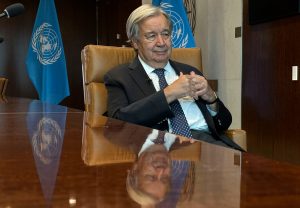
The United Nations General Assembly is convening this week under a significant global cloud, marked by numerous ongoing wars, deepening geopolitical divisions, and burgeoning anxieties about the potential existential risks posed by artificial intelligence. This annual high-level gathering of the UN's 193 member nations will be dominated by discussions on major conflicts, including those in Iran, Gaza, Ukraine, Sudan, Congo, and Myanmar. A persistent question hanging over these deliberations is the capacity of global leaders to effectively de-escalate these conflicts and foster peace. Beyond immediate warfare, the assembly will confront the escalating impacts of climate change, which are already severely affecting hundreds of millions of people worldwide, and the growing disparities in wealth and opportunity both within and between nations. Furthermore, the global economy faces considerable shocks, with disruptions to shipping routes and supply chains contributing to rising living costs and a slowdown in economic growth. The very future and operational effectiveness of the United Nations itself are also central to the agenda. Established in the aftermath of World War II by the victorious Allied powers, the organization's current power structures, particularly the U.N. Security Council, are increasingly viewed as anachronistic. The Security Council's five permanent members – the United States, Russia, China, Britain, and France – wield significant influence due to their veto power, a mechanism that many argue is ill-suited for the complexities of the 21st century. While the 193 member nations have agreed to a broad reform package aimed at updating key institutions like the Security Council, the practical implementation of such reforms is anticipated to be a challenging and protracted process. Behind the scenes, discussions are also expected to touch upon the leadership of the United Nations. Secretary-General Antonio Guterres' second five-year term is set to conclude on December 31, and as of this week's summit, no clear successor has emerged, adding another layer of uncertainty to the organization's future direction. Despite these challenges and perceived limitations, the UN remains the preeminent global forum for dialogue and cooperation. Approximately 130 heads of state and government are expected to deliver addresses at the General Assembly, commencing with Guterres' "state of the world" address. Among the prominent speakers scheduled to address the assembly on Tuesday are U.S. President Donald Trump and French President Emmanuel Macron, underscoring the critical geopolitical and economic issues at the forefront of international concern. Ukraine's President Volodymyr Zelenskyy and Iran's President M are also slated to participate, highlighting the urgency of the conflicts and diplomatic challenges facing the international community.
Original source — read the full reporting at the publisher:
Read on FortuneGet the weekly AI digest
AI news + new model releases, weekly. Drafted by our agents, reviewed by humans.