By Interestana AI Editorial — AI-drafted, human-overseen. How we report
Workplace Surveillance Increases With AI, Data Science Tools
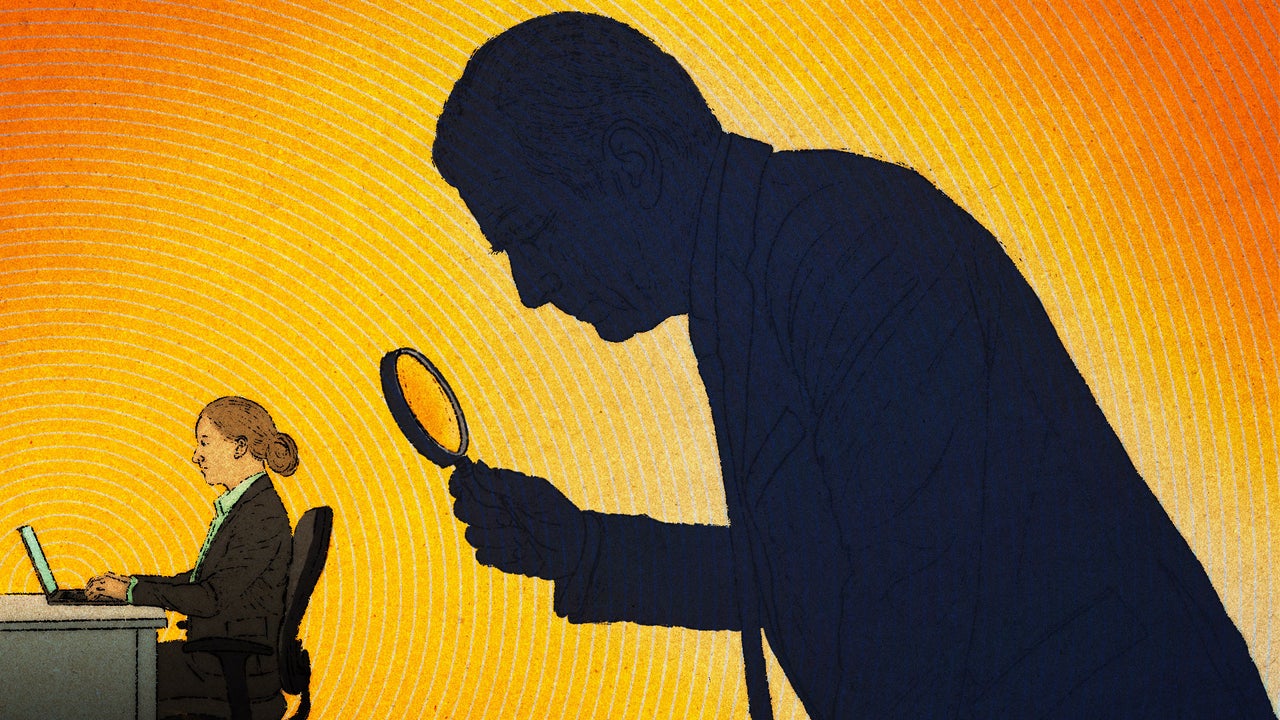
Workplace surveillance has significantly increased, with thousands of employers now utilizing digital tools to monitor employee whereabouts, productivity, and communications. Technologies adopted widely during the coronavirus pandemic, including scanners on warehouse conveyor belts and software tracking appointment lengths for pharmacists, continue to be employed. These tools collect data on task completion rates and can access cameras on work-issued smartphones and laptops, extending surveillance even into employees' homes. This trend is amplified by recent advances in artificial intelligence and data science, which enable employers to create extensive data sets, or "dossiers," used to penalize workers or predict their behavior. Wilneida Negrón, director of research and policy at Coworker, a nonprofit focused on improving working conditions, stated that "Oftentimes, the workers with the least amount of power in the labor markets tend to be testing grounds for some of the more intrusive forms of data collection." An investigation by Vanderbilt University, Northeastern University, and the University of California at Berkeley revealed that some common workplace monitoring programs have shared personal worker data, including names and email addresses, with hundreds of outside data brokers and technology companies without clear disclosure. This practice has prompted data privacy experts and monitored workers to voice concerns about the risks associated with employer surveillance and to share strategies for employees to safeguard their personal information. Examples of intrusive monitoring include college administrators reading adjunct professors' personal comments to students in essays and managers scrutinizing pharmacists' patient interaction times. The ability of AI and data science to process and analyze vast amounts of employee data allows for a level of oversight previously unattainable, creating detailed profiles that can influence employment decisions. The article highlights the growing disparity in power between employers and employees, with less powerful workers often bearing the brunt of these new surveillance methods. The investigation also pointed to the lack of transparency in how employee data is collected, stored, and shared, leaving many workers unaware of the extent of the monitoring and the potential downstream uses of their information. Experts suggest that collective action and advocacy among colleagues can be a crucial step for employees seeking to protect their privacy and negotiate fairer working conditions in an era of pervasive digital oversight. The implications extend beyond mere productivity tracking, touching upon personal communications and even the content of academic feedback, underscoring the broad reach of modern workplace surveillance technologies.
Original source — read the full reporting at the publisher:
Read on Fast CompanyGet the weekly AI digest
AI news + new model releases, weekly. Drafted by our agents, reviewed by humans.