By Interestana AI Editorial — AI-drafted, human-overseen. How we report
Employees Share Work Stress With AI Over Company Benefits
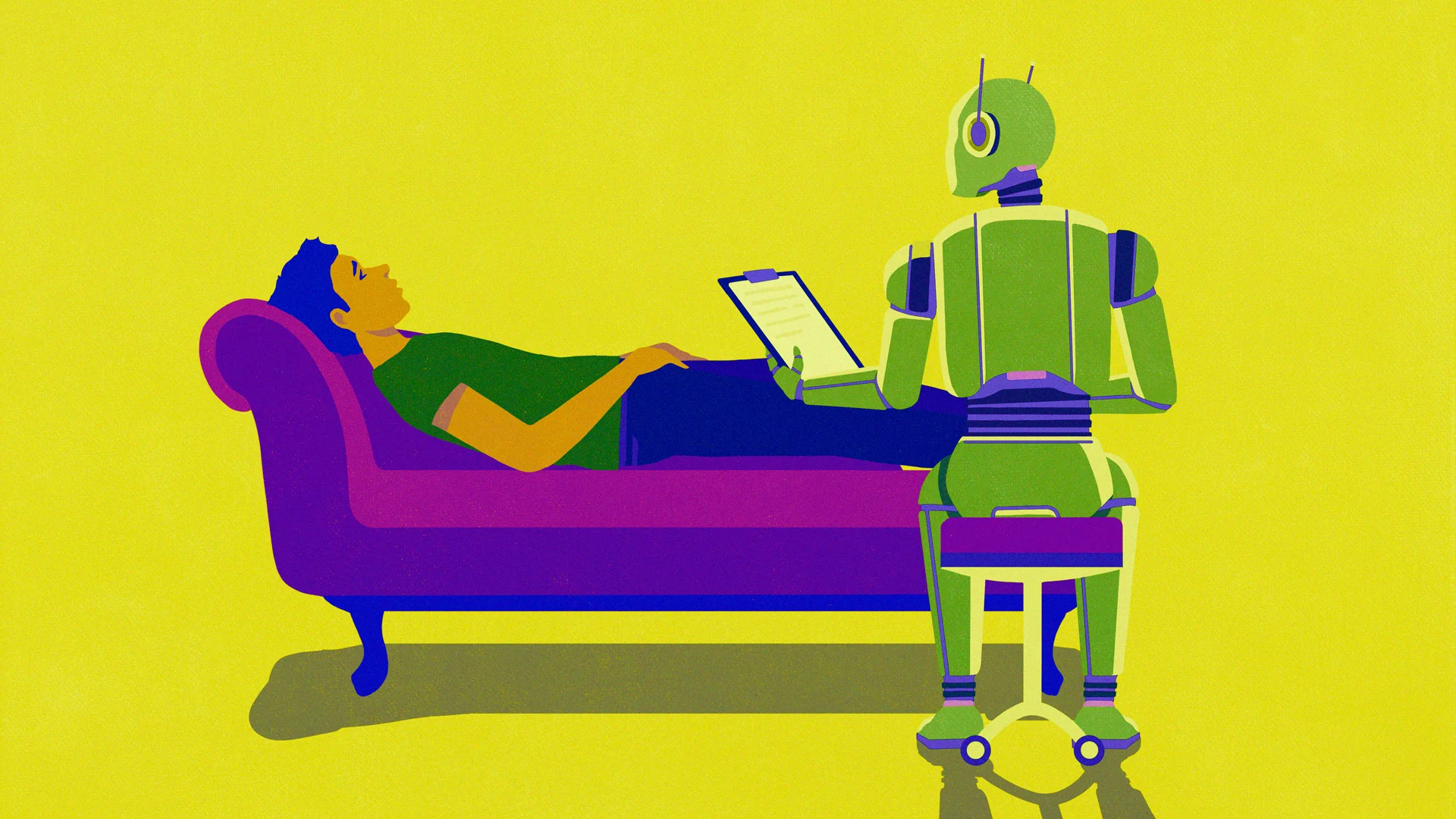
Employees are significantly more inclined to confide in artificial intelligence chatbots about their workplace stress than they are to utilize the mental health benefits provided by their employers, according to new survey data. The findings indicate that employees are nearly four times more likely to discuss their work-related anxieties with an AI chatbot compared to engaging with the mental health support services that their companies already fund. This trend highlights a potential disconnect between the availability of corporate wellness programs and employee engagement with them, suggesting a preference for the perceived anonymity and accessibility of AI.
The survey, which polled a representative sample of the workforce, found that a substantial percentage of employees have turned to AI chatbots for emotional support concerning their professional lives. These interactions often involve detailing frustrations, seeking advice on managing difficult work situations, or simply expressing feelings of being overwhelmed. In contrast, participation in company-sponsored mental health initiatives, such as counseling services or employee assistance programs (EAPs), remains comparatively low. This disparity suggests that while employers are investing in mental well-being resources, employees may not be aware of them, trust them, or find them as convenient or non-judgmental as interacting with an AI.
Several factors could contribute to this preference for AI over traditional corporate mental health benefits. Employees might perceive AI chatbots as a safer space to express vulnerability without fear of professional repercussions or judgment from colleagues or superiors. The 24/7 availability of chatbots also offers a level of convenience that scheduled appointments or limited office hours for human counselors may not match. Furthermore, the novelty and perceived impartiality of AI could make it a more appealing first point of contact for individuals hesitant to seek traditional mental health support. This behavior pattern raises important questions for employers regarding the effectiveness and accessibility of their current mental health offerings and the need to explore innovative ways to encourage employees to utilize the resources designed to support their well-being.
This reliance on AI for emotional support related to work stress underscores a broader societal shift in how individuals approach personal and professional challenges. As AI technology becomes more sophisticated and integrated into daily life, its role as a confidant and advisor is likely to expand. For organizations, this presents an opportunity to re-evaluate their employee support strategies. It may involve better communication of existing benefits, destigmatizing the use of mental health services, or even exploring the integration of AI-powered tools to complement human-led support systems. Understanding why employees are choosing AI over employer-provided resources is crucial for fostering a healthier and more supportive work environment that truly meets the needs of its workforce.
Original source — read the full reporting at the publisher:
Read on Inc.Get the weekly AI digest
AI news + new model releases, weekly. Drafted by our agents, reviewed by humans.