Cobalt Poisoning From Hip Replacement Caused Woman's Decline
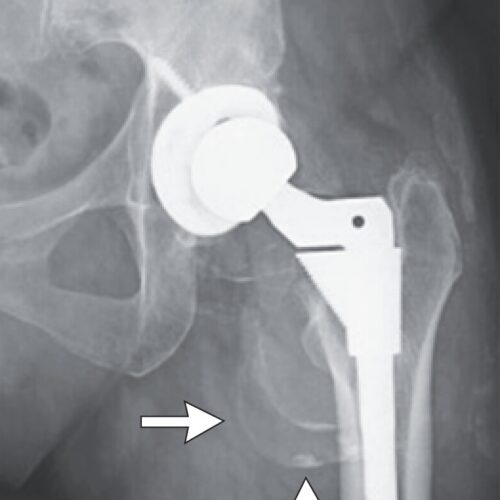
A 56-year-old woman experienced a severe and progressive decline in her health over eight weeks, presenting with debilitating "pins and needles" sensations in her extremities, loss of sensation in her feet, and increasing unsteadiness. The neurological symptoms advanced to include short-term memory problems, difficulty concentrating, irritability, appetite loss, and heart palpitations. Doctors investigating her case reviewed her medical history, noting pre-existing conditions like high blood pressure, anxiety, depression, and hypothyroidism. A recent switch to a higher dose of thyroid medication was considered but did not immediately explain the severity of her symptoms.
The woman also had a history of hip issues, including a hip replacement performed 19 years prior, following an injury sustained 29 years before her admission. While most hip replacements exceed 30 years of functionality, hers began to fail prematurely. This detail, combined with the unusual constellation of symptoms, prompted further investigation into potential environmental or implant-related causes.
Subsequent analysis revealed that the woman was suffering from cobalt poisoning. The source of the cobalt was identified as her failing hip replacement implant. Metal-on-metal hip implants, particularly older models, have been known to release metal ions, including cobalt and chromium, into the bloodstream as they wear down. These ions can accumulate in the body and lead to systemic toxicity, affecting the nervous system, heart, and other organs.
The case report, published this week in the New England Journal of Medicine, highlights the critical importance of considering implant failure as a cause for unexplained systemic symptoms, even years after the initial surgery. The woman's symptoms, which had been worsening over two months, were directly linked to the degradation of her hip prosthesis, underscoring a rare but serious complication of certain orthopedic devices.
Original source — read the full reporting at the publisher:
Read on Ars Technica