By Interestana AI Editorial — AI-drafted, human-overseen. How we report
Brain Worm Infection Confirmed by Lab Test
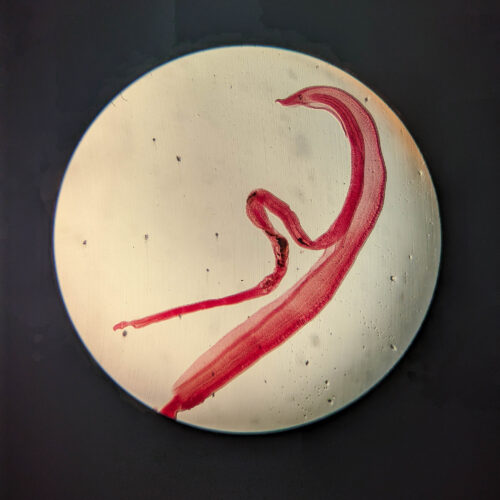
A woman in the Philippines experienced sudden, uncontrollable shaking in her right arm and leg, prompting an emergency department visit. Prior to the episode, she reported no headache, confusion, or weakness, and a physical examination revealed no abnormalities. However, a magnetic resonance imaging (MRI) scan of her brain identified a cluster of nodules surrounded by fluid in her left frontal lobe. Medical professionals suspected these nodules were worm eggs. Doctors subsequently published a case report in the New England Journal of Medicine detailing their findings and diagnosis. They suspected the woman had neuroschistosomiasis, a rare complication arising from infection with a Schistosoma parasitic worm, commonly known as a blood fluke. The prevalent Schistosoma species in the Philippines is S. japonicum, which is also found in China and parts of Indonesia. The journal article, published in the latest issue, provides a detailed account of the diagnostic process and the patient's condition. The MRI images, credited to NEJM, 2026, visually represent the nodules within the brain. Neuroschistosomiasis occurs when the parasitic worms or their eggs migrate to the central nervous system, including the brain and spinal cord. Symptoms can vary widely depending on the location and extent of the infection, and may include seizures, headaches, confusion, motor deficits, and sensory disturbances. The diagnosis of neuroschistosomiasis typically involves a combination of clinical presentation, neuroimaging findings, and sometimes serological tests or examination of cerebrospinal fluid for evidence of the parasite. Treatment usually involves antiparasitic medication, such as praziquantel, and supportive care to manage neurological symptoms. The case highlights the importance of considering parasitic infections in the differential diagnosis of neurological symptoms, particularly in endemic regions. The woman's profession as a rice farmer in the Philippines places her in an environment where exposure to Schistosoma parasites, which are often transmitted through contaminated water, is a possibility. The successful identification of the parasitic eggs in a laboratory setting, where they were observed to grow tails, provided definitive confirmation of the infection and its causative agent. This specific laboratory observation, where the eggs demonstrated characteristic development, was crucial in confirming the diagnosis of a live parasitic infection rather than residual inflammation or other non-parasitic lesions. The case report serves as a medical educational tool, emphasizing the potential for parasitic diseases to manifest with diverse neurological symptoms and the necessity of thorough diagnostic investigations.
Original source — read the full reporting at the publisher:
Read on Ars TechnicaGet the weekly AI digest
AI news + new model releases, weekly. Drafted by our agents, reviewed by humans.