By Interestana AI Editorial — AI-drafted, human-overseen. How we report
Woman Rescued 36 Hours After Colombia Earthquake
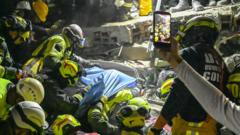
Emergency workers successfully rescued a 32-year-old woman who had been trapped for 36 hours beneath concrete slabs following a significant earthquake in Colombia. The dramatic rescue operation spanned 10 hours, highlighting the critical window for survival in such disaster scenarios. While the specific location and magnitude of the earthquake are not detailed in the provided text, the successful extraction underscores the dedication and skill of the rescue teams involved. The woman's survival after such an extended period demonstrates remarkable resilience and the effectiveness of search and rescue efforts. The incident serves as a stark reminder of the devastating impact of seismic events and the vital importance of rapid and efficient emergency response. Further details regarding the extent of the earthquake's damage, the number of casualties, and the specific region affected would provide a more comprehensive understanding of the event's overall impact. The duration of entrapment, 36 hours, is a critical factor in survival rates, with prolonged exposure to crushing injuries, dehydration, and hypothermia posing significant risks. The 10-hour rescue operation itself indicates the complexity of extricating someone from heavy debris, likely involving specialized equipment and careful coordination to avoid further injury to the victim and ensure the safety of the rescue personnel. The age of the survivor, 32 years old, places her within a demographic that typically has a higher chance of survival compared to very young children or the elderly, though individual health and the nature of her injuries are paramount factors. This event, while focused on a single individual's survival, is emblematic of the broader challenges faced in disaster zones where infrastructure damage can impede access and communication, complicating rescue efforts. The successful outcome for this woman offers a moment of hope amidst the potential devastation of a natural disaster, emphasizing the human element of resilience and the critical role of first responders. The absence of specific details about the earthquake itself, such as its epicenter, depth, and Richter scale reading, limits the ability to contextualize the event within broader seismological data or compare it to other significant seismic activities in the region. However, the core narrative of a life saved after a prolonged period of entrapment remains the central and most compelling aspect of this report. The focus on the 36-hour survival period and the 10-hour rescue effort provides concrete temporal markers that emphasize the urgency and difficulty of the situation. The age of the survivor, 32, is a specific demographic detail that adds a human dimension to the report. The successful extraction from "slabs of concrete" illustrates the physical challenges faced by both the victim and the rescuers. This event, though lacking broader contextual data, highlights the critical importance of immediate and sustained search and rescue operations in the aftermath of seismic events.
Original source — read the full reporting at the publisher:
Read on BBC World NewsGet the weekly AI digest
AI news + new model releases, weekly. Drafted by our agents, reviewed by humans.