By Interestana AI Editorial — AI-drafted, human-overseen. How we report
Trump Administration Subjugates Science to Political Imperatives
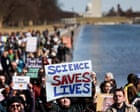
The Trump administration is enacting an unprecedented assault on institutions dedicated to research and higher learning, a move described as a significant blow to American soft power and technological progress. This strategy involves subjugating scientific endeavors to political imperatives, a departure from democratic norms and reminiscent of authoritarian regimes. The administration's actions extend to targeting foreign students and hindering international scientific collaboration, further diminishing the United States' global standing.
Central to this strategy is a rule change initiated by Russell Vought, director of the Office of Management and Budget (OMB) under Project 2025. This change mandates that any federal grant, including those for scientific research, will be subject to review by political appointees. Previously, such funding allocations were determined by the judgment of highly qualified scientists. This new policy grants political figures the power to exert influence over research funding, potentially using it as leverage against universities. For instance, a university's medical school could face repercussions if its administration is perceived as not aligning with the president's priorities.
This policy shift represents a significant departure from established practices in scientific funding, which have historically relied on peer review and scientific merit. By introducing political oversight, the administration risks politicizing scientific inquiry and potentially diverting resources away from critical research areas based on political expediency rather than scientific value. The implications of this approach could be far-reaching, impacting the pace of innovation, the competitiveness of American science on the global stage, and the fundamental integrity of the research process.
Jan-Werner Müller, a professor of politics at Princeton University and a Guardian US columnist, argues that this approach constitutes "wanton self-injury" for Trumpists and the nation. The erosion of scientific independence and the undermining of academic institutions could have long-term detrimental effects on the United States' capacity for technological advancement and its reputation as a leader in scientific discovery. The administration's focus on political alignment over scientific excellence poses a substantial threat to the future of research and higher education in the country.
Original source — read the full reporting at the publisher:
Read on The Guardian EducationGet the weekly AI digest
AI news + new model releases, weekly. Drafted by our agents, reviewed by humans.