By Interestana AI Editorial — AI-drafted, human-overseen. How we report
NASA's PRIMA Telescope Aims for Billion-Dollar Build in Record Time
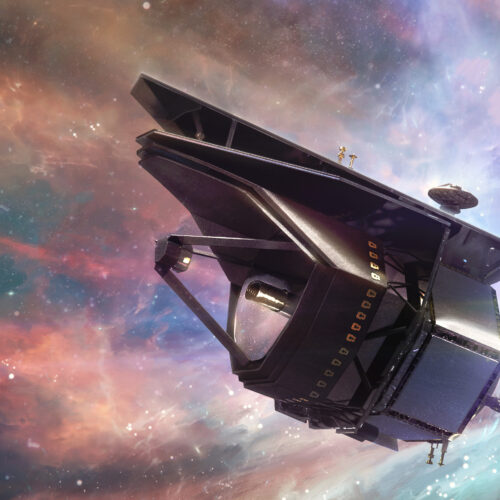
NASA announced this week that its PRIMA mission, the first in a new class of space telescopes, is on schedule for a launch pad arrival in the early 2030s. PRIMA is designated as the inaugural mission within NASA's Probe Explorers program, a new initiative designed to develop observatories capable of conducting significant scientific research at a reduced cost. This new category aims to bridge the gap between NASA's existing lower-cost "Explorer-class" missions, which typically have cost caps around a few hundred million dollars, and its large, multibillion-dollar flagship observatories. For context, the recently deployed Nancy Grace Roman Space Telescope, a flagship mission, incurred an estimated cost of approximately $4.3 billion. NASA officials are seeking to establish a more effective equilibrium between the more modest Explorer missions and the substantial financial commitments required for flagship projects through the Probe Explorers initiative. The agency has been exploring potential mission concepts for Probe Explorers for several years, following a recommendation from an independent scientific panel that advocated for this new mission category. The feasibility of initiating development for such a mission was uncertain until recently, particularly given the fiscal pressures on NASA's science budget, which had been influenced by the Trump administration. The PRIMA mission's objective is to deliver advanced scientific capabilities within a more constrained budget than traditional flagship telescopes, while offering greater scientific output than the smaller Explorer missions. This strategic approach allows NASA to pursue more ambitious scientific objectives without the prohibitive costs associated with its largest observatories. The Probe Explorer class is intended to foster innovation in telescope design and construction, enabling faster development cycles and more efficient use of resources. By leveraging lessons learned from previous missions, both successful and those facing budget challenges, NASA aims to create a sustainable model for future space science endeavors. The early 2030s target for PRIMA's launch signifies an accelerated timeline for a telescope of its potential caliber, underscoring the program's focus on efficiency and timely delivery of scientific data. The success of PRIMA is expected to pave the way for subsequent Probe Explorer missions, further diversifying NASA's portfolio of space-based scientific instruments and expanding the frontiers of astronomical discovery.
Original source — read the full reporting at the publisher:
Read on Ars TechnicaGet the weekly AI digest
AI news + new model releases, weekly. Drafted by our agents, reviewed by humans.