By Interestana AI Editorial — AI-drafted, human-overseen. How we report
Art Museums Leverage Data to Enhance Visitor Experience
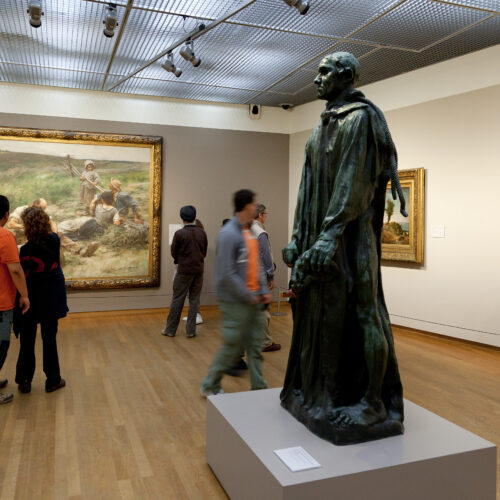
Art museums are actively integrating data analytics to reframe the visitor experience, particularly targeting younger demographics who may have less traditional art education. Giovanni Kanter, a 25-year-old ICU nurse from New York, exemplifies a more engaged museum-goer, discovering artists through word-of-mouth and curated social media feeds, and having a background rich in visual art exposure. His upbringing included frequent gallery visits and exposure to art through his family, including his mother Marianne Gargour, his aunt Heather Hutchison, and his uncle Mark Thomas Kanter.
However, Kanter represents an exception rather than the norm. Many younger individuals have a less immersive artistic education, often limited to occasional school trips or family outings. For these visitors, the museum experience itself becomes the primary conduit for learning about and understanding art. This shift necessitates that institutions adapt their strategies to cater to a public that may not inherently possess an instinct for "moving through the art and absorbing it," as Kanter describes.
Museums are responding by analyzing visitor data to identify patterns in engagement, dwell times, and preferred exhibits. This information allows for the creation of more tailored content, interactive displays, and personalized recommendations. The goal is to make the museum environment more accessible and relevant, moving beyond a passive viewing experience to one that actively involves and educates the visitor. By understanding how different segments of the audience interact with their collections, institutions can develop more effective programming and exhibition designs.
This data-driven approach aims to foster deeper connections with art, encouraging repeat visits and a more profound appreciation. It acknowledges that the traditional museum model may not resonate with everyone and seeks to bridge that gap through technological and analytical means. The ultimate objective is to ensure that art museums remain vibrant cultural hubs that can captivate and educate diverse audiences in the modern era.
Original source — read the full reporting at the publisher:
Read on Ars TechnicaGet the weekly AI digest
AI news + new model releases, weekly. Drafted by our agents, reviewed by humans.