Wing Commander IV Showcased 90s FMV Gaming Ambitions
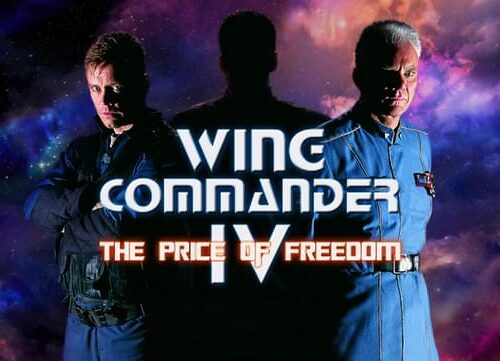
Wing Commander IV: The Price of Freedom, released in 1996, exemplified the 1990s ambition to merge Hollywood filmmaking with interactive computer games. This era, particularly 1996-1997, was marked by a widespread belief, championed by figures like Ken and Roberta Williams and Chris Roberts, that Full Motion Video (FMV) would revolutionize the gaming industry. The vision was to create "Silliwood," where movies and games would become indistinguishable, offering audiences interactive narratives and games would feature high-budget production values, including big-name actors, elaborate sets, and significant special effects.
Roberts, a key proponent of this fusion, heavily influenced Wing Commander IV's development. The game utilized extensive live-action filming, with significant set pieces like the "Grand Assembly" chamber being constructed for its production. This approach aimed to move beyond the limitations of traditional game graphics and art, offering a cinematic experience that players could influence. The aspiration was that players would no longer passively watch movies but actively participate in shaping their outcomes, a stark contrast to the static nature of contemporary cinema.
Despite the considerable investment and creative energy poured into FMV games like Wing Commander IV, the "Silliwood revolution" did not fully materialize as predicted. While FMV games achieved a certain level of success and showcased impressive production values for their time, they ultimately did not become the dominant paradigm for the industry. Technical limitations, the cost of production, and the evolving capabilities of real-time 3D graphics contributed to FMV's eventual decline as the primary driver of interactive entertainment. The dream of seamlessly blending high-fidelity film with interactive gameplay proved more complex and less sustainable than initially envisioned by its proponents.
Original source — read the full reporting at the publisher:
Read on Ars Technica