By Interestana AI Editorial — AI-drafted, human-overseen. How we report
Willem de Kooning Broke Drawing Rules
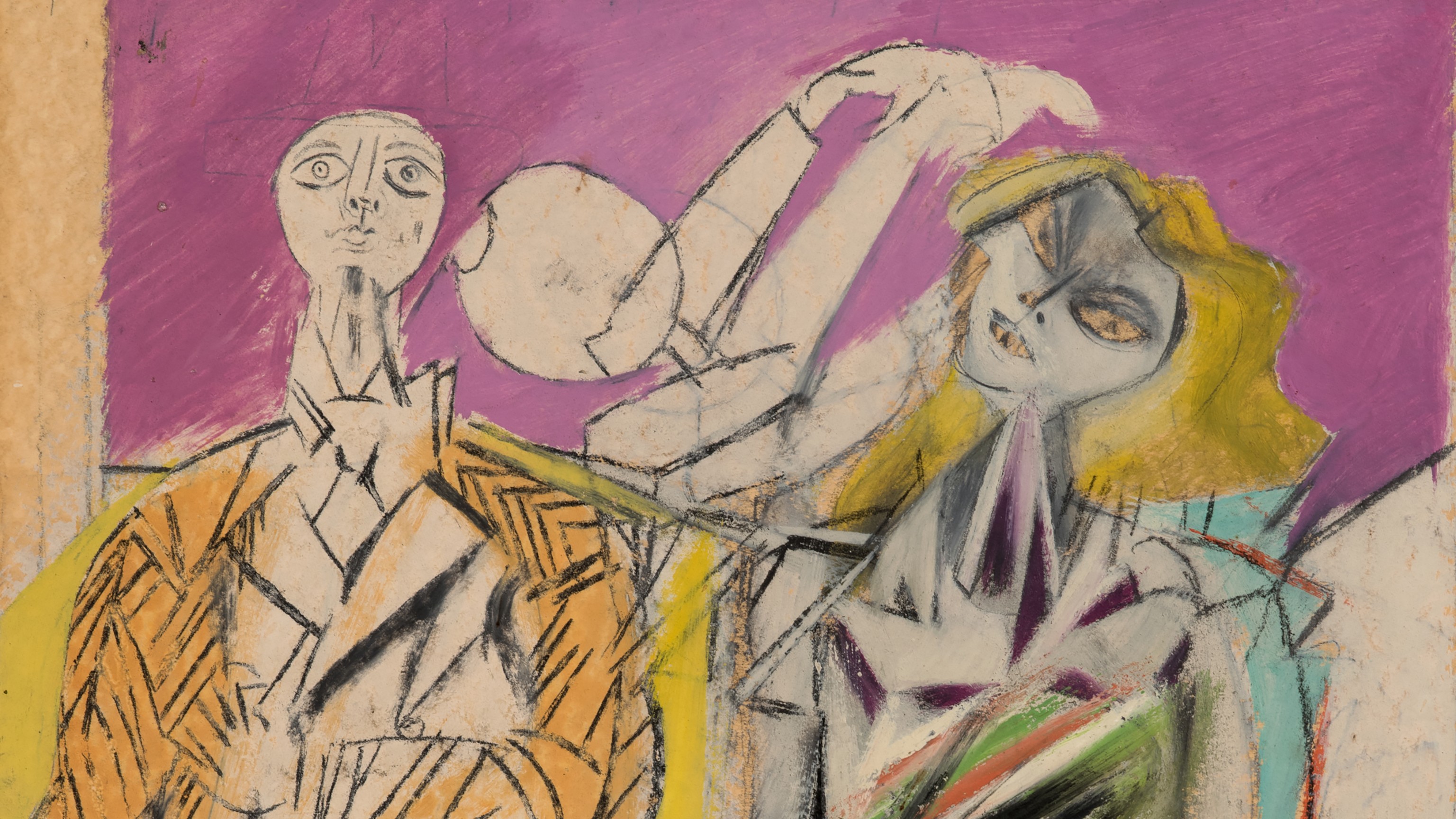
Willem de Kooning, widely recognized as the preeminent draftsman of his generation within postwar American art, embarked on a deliberate process of unlearning his established technical proficiencies. This intentional dismantling of his learned skills was not an act of regression but a foundational step towards innovation, enabling him to transcend conventional artistic boundaries. De Kooning's approach challenged the very definition of drawing, pushing it beyond mere representation and technical accuracy into a realm of expressive freedom and conceptual exploration. His work during this period is characterized by a raw energy and a departure from the polished execution often associated with masterful draftsmanship.
His artistic journey involved a conscious effort to break free from the academic training and ingrained habits that had solidified his reputation. This act of self-subversion allowed him to experiment with new forms, textures, and compositional strategies. Instead of relying on precise lines and controlled strokes, de Kooning embraced spontaneity, allowing for a more visceral and immediate connection between his hand, his materials, and his inner vision. This reorientation was crucial for the development of his distinctive style, which often featured bold, gestural marks and a dynamic interplay of forms that seemed to emerge organically from the canvas.
The impact of de Kooning's radical approach to drawing extended beyond his personal artistic evolution. It influenced subsequent generations of artists by demonstrating that mastery could also lie in the deliberate rejection of established norms. His willingness to experiment and to redefine the fundamental elements of artistic practice provided a powerful example of how artists could continually reinvent their craft. By questioning the inherent value of traditional drawing techniques, de Kooning opened up new avenues for artistic expression, encouraging a broader understanding of what constitutes artistic skill and innovation in the context of modern and contemporary art.
His legacy is not solely defined by the finished paintings and drawings, but also by the philosophical underpinnings of his creative process. De Kooning's insistence on the importance of unlearning underscores a critical aspect of artistic growth: the necessity of challenging one's own assumptions and comfort zones. This principle remains relevant for artists and creatives across disciplines, highlighting the idea that true progress often requires a willingness to dismantle existing frameworks and to explore uncharted territories. His work serves as a testament to the idea that breaking rules, when done with intention and vision, can lead to profound artistic breakthroughs and enduring cultural contributions.
Original source — read the full reporting at the publisher:
Read on The AtlanticGet the weekly AI digest
AI news + new model releases, weekly. Drafted by our agents, reviewed by humans.