By Interestana AI Editorial — AI-drafted, human-overseen. How we report
Taiwan Court Sentences Man for Recording Wife With Robot Vacuum
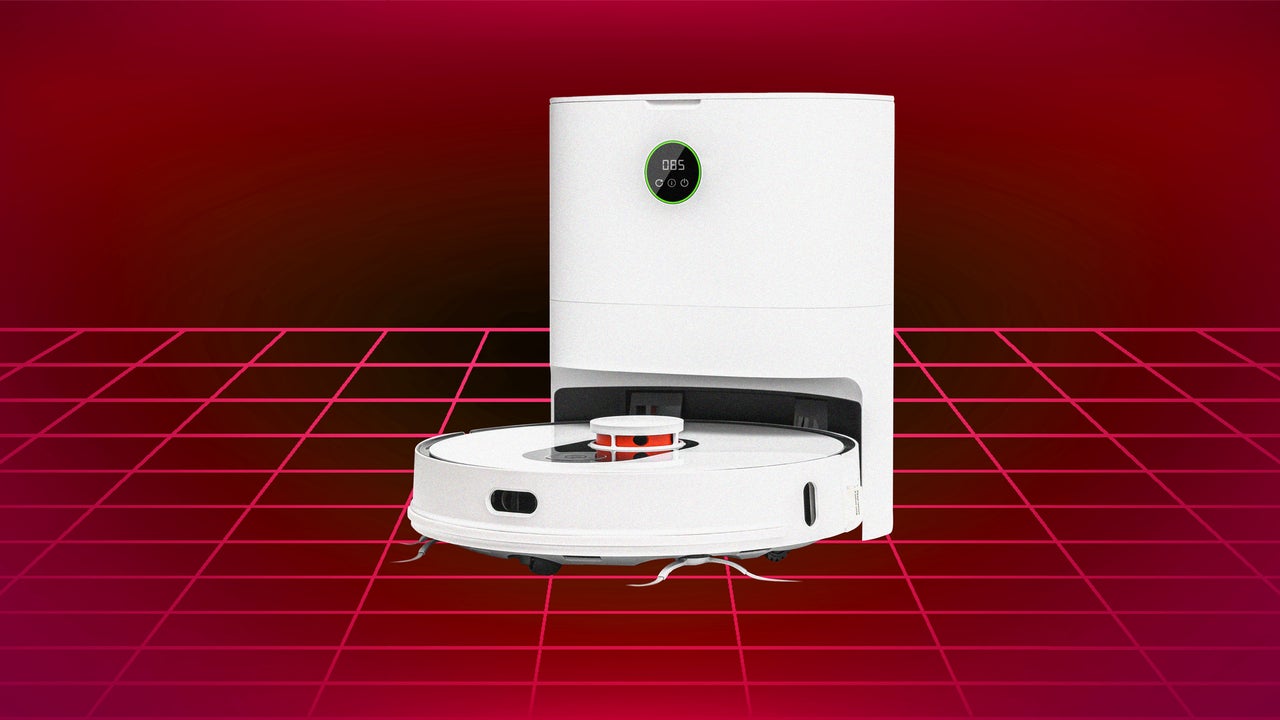
A man in Taiwan was sentenced to five months in jail and fined approximately $4,700 for recording private activity without consent after using his robot vacuum's live camera to capture an intimate encounter involving his wife. The incident occurred in September 2023 when the husband, suspecting his wife of infidelity, discovered a used toothbrush at their holiday home. Further investigation using garage video confirmed an unfamiliar man driving his wife to the location. Three months later, while attempting to speak with his wife through the robot vacuum's app, he accessed its live camera feed and recorded an intimate scene. He subsequently used this footage to sue his wife and her lover for infringing on his marital rights, seeking about $16,000 in damages, a claim that was also upheld.
This case, adjudicated by the Taoyuan District Court, exposes a significant legal and privacy gap concerning the proliferation of smart home devices. Modern robot vacuums function as sophisticated mobile sensor platforms, often equipped with cameras, microphones, laser navigation, and remote video access capabilities. These devices can generate detailed floor maps and cleaning histories, with data frequently transmitted to manufacturers' servers. A 2022 investigation by MIT Technology Review revealed instances where images from development versions of iRobot's Roomba J7, including sensitive personal moments, were inadvertently shared with data-labeling contractors and subsequently posted in private social media groups. This leak occurred through the standard pipeline used for training object-recognition software, underscoring the potential for data exposure without explicit hacking.
The legal system is increasingly confronting digital evidence generated by household devices. In a separate case in Arkansas, prosecutors charged James Bates with murder following a friend's death in his hot tub. They sought recordings from his Amazon Echo device and cited smart-meter data indicating overnight water usage. Amazon initially resisted the request until Bates provided consent. However, the prosecution ultimately dropped the charge due to the inability to eliminate other reasonable explanations for the events. These instances highlight the evolving challenges in applying existing legal frameworks to the continuous and often invisible data generation by smart home technology, creating a complex landscape for privacy and evidence collection.
Original source — read the full reporting at the publisher:
Read on Fast CompanyGet the weekly AI digest
AI news + new model releases, weekly. Drafted by our agents, reviewed by humans.