By Interestana AI Editorial — AI-drafted, human-overseen. How we report
Trump May Compromise on Strait of Hormuz Deal With Iran
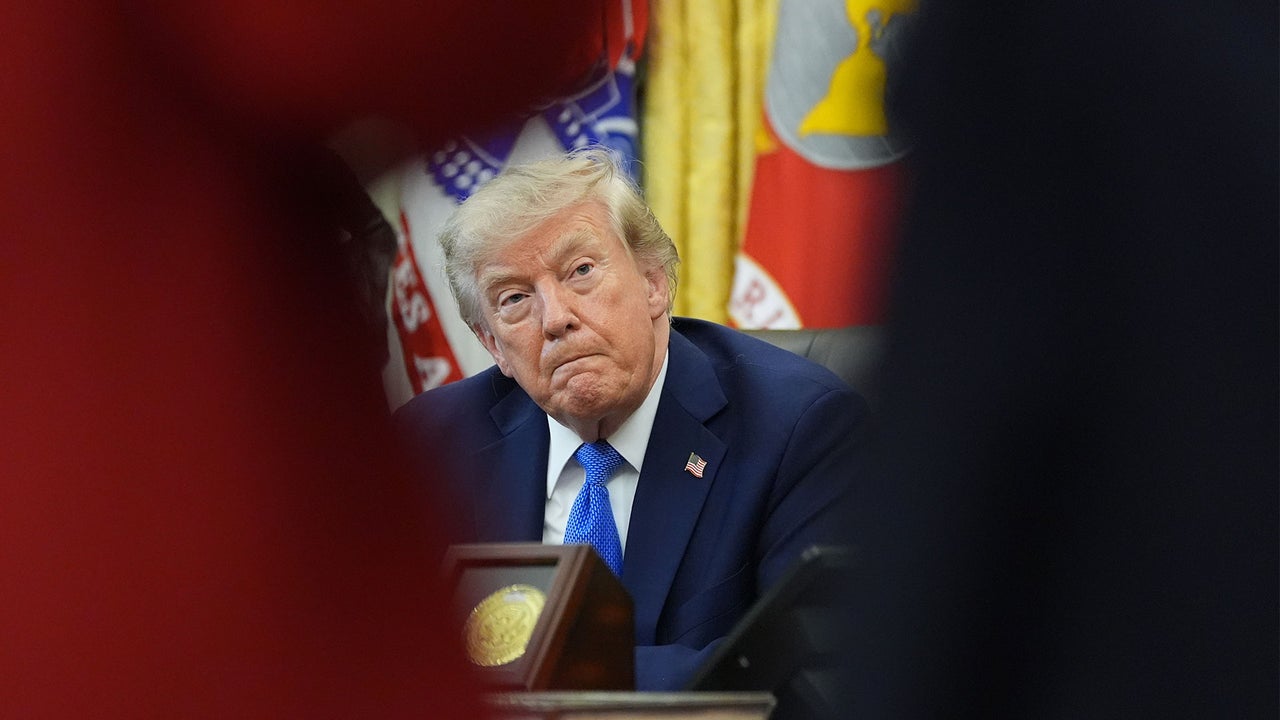
President Donald Trump may need to compromise to reach a deal with Iran that would reopen the economically vital Strait of Hormuz, a move that experts suggest would be challenging for the Republican president. The Strait of Hormuz is a critical chokepoint through which approximately 20% of the world's oil normally flows. While both the United States and Iran have indicated that a deal is nearing, the Trump administration has rejected any agreement that would solidify Iran's control over the Persian Gulf waterway, including allowing Tehran to charge fees for passage. Conversely, Iran maintains its demand for a degree of control, stating that the strait will not revert to its status as an open international waterway as it was prior to the ongoing conflict. Despite numerous U.S. strikes, Iran retains the capability to launch drones and missiles at vessels, thereby maintaining leverage over commercial shipping routes. Eliot Cohen, a former counselor in the State Department under the George W. Bush administration, commented that yielding ground to Iran would be difficult for President Trump, even with elevated gasoline prices and potential negative impacts on Republicans in the upcoming November midterm elections. Cohen characterized Trump's worldview as dividing the world into "winners and losers," and suggested that making a concession would position him as a "loser," an image he believes would be "intolerable" for the president. However, David Schenker, who previously served as a State Department official during the first Trump administration and is now a fellow at the Washington Institute for Near East Policy, posited that the escalating economic pressures might actually compel Trump to compromise on the issue of the strait. Schenker anticipates that such a concession, while likely to have significant implications for global trade, could be a strategic move driven by the urgency of resolving the crisis. He suggested that the president may be signaling his willingness to make such a concession, despite the potential for negative perceptions. The ongoing conflict, which began more than five months ago with Israel, has reportedly depleted U.S. military stockpiles of key weapons, adding another layer of complexity to the situation. The economic implications of the Strait of Hormuz remaining partially or fully closed are substantial, impacting global energy markets and potentially contributing to domestic economic challenges.
Original source — read the full reporting at the publisher:
Read on Fast CompanyGet the weekly AI digest
AI news + new model releases, weekly. Drafted by our agents, reviewed by humans.