By Interestana AI Editorial — AI-drafted, human-overseen. How we report
Writer Plays Timpani for Philharmonia Orchestra Using VR Headset with No Prior Experience
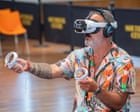
In an unprecedented fusion of technology and classical music, a writer with no prior musical experience or knowledge of the score found themselves performing as a timpani player with the esteemed Philharmonia Orchestra. This remarkable feat was facilitated by 'Virtual Orchestra,' an innovative virtual reality (VR) experience developed by the orchestra itself. The project aims to immerse users directly into the heart of a professional orchestral performance, offering a unique perspective on the world of classical music.
The specific performance in question was the energetic finale of Gioachino Rossini's iconic William Tell Overture, a piece renowned for its dramatic flair and demanding percussion. Participants in the Virtual Orchestra experience are presented with a choice of percussion instruments, including the triangle, cymbal, and the timpani. Marta Génova, the Philharmonia's head of digital product and experience, highlighted the timpani as "definitely the most fun," suggesting its powerful impact and engaging nature within the virtual environment. Before being thrust into the simulated performance, users receive a concise tutorial from Tom Edwards, a seasoned percussionist with the Philharmonia Orchestra. Edwards guides them through the fundamental techniques of producing sound from their chosen instrument, ensuring a basic understanding of how to interact with the virtual percussion.
The writer, having barely grasped how to hold the timpani sticks, was then seamlessly integrated into the orchestra's setup. The Royal Festival Hall, a prestigious London venue known for hosting world-class musical events, was reportedly filled to capacity for this performance, amplifying the sense of occasion and the writer's initial apprehension. The VR experience dynamically presents the musical score, which hurtles across the user's field of vision, demanding real-time reactions. Santtu-Matias Rouvali, a conductor known for his energetic style, led the orchestra through this rendition.
The Philharmonia Orchestra, a globally recognized ensemble based in London, has a long-standing reputation for artistic excellence and a commitment to audience engagement and educational initiatives. The development of Virtual Orchestra represents a significant stride in their ongoing efforts to innovate within the cultural sector. By leveraging cutting-edge VR technology, the orchestra seeks to demystify the complexities of orchestral performance and provide an accessible, albeit virtual, pathway for individuals to experience the thrill of playing alongside professional musicians. This initiative aims to bridge the gap between passive observation and active participation, offering a novel and immersive perspective on the intricate coordination and skill required in a live orchestral setting. The writer's personal account captures the initial nervousness, the disorienting yet ultimately exhilarating nature of participating in a high-stakes musical event through a simulated environment, underscoring the growing integration of immersive technologies in cultural institutions to enhance engagement and accessibility.
Original source — read the full reporting at the publisher:
Read on The Guardian CultureGet the weekly AI digest
AI news + new model releases, weekly. Drafted by our agents, reviewed by humans.