By Interestana AI Editorial — AI-drafted, human-overseen. How we report
Wildfires Engulf France, Greece; Belgium Battles Historic Blaze
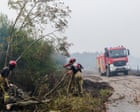
Europe is currently contending with a severe wildfire crisis, with significant blazes raging in France and Greece, while Belgium is battling what is believed to be its largest wildfire in history. The Belgian fire, located in the Hautes Fagnes nature reserve, has been active since Friday afternoon and has consumed more than 3,000 hectares of land, according to provisional figures. This extensive area of destruction highlights the severity of the situation in the region. King Philippe of Belgium is scheduled to visit the affected area this morning, underscoring the national significance of the event. The fire's proximity to the German border has prompted evacuations, indicating a cross-border threat and the need for coordinated international response efforts. The ongoing wildfires are occurring amidst a backdrop of extreme heat and drought conditions across the continent, exacerbating the risk and intensity of fires. These environmental factors are consistent with broader climate change trends, which scientists warn are increasing the frequency and severity of such extreme weather events. The scale of these fires necessitates a substantial deployment of firefighting resources, involving both national and potentially international aid. The long-term ecological impact on the affected natural reserves, such as Hautes Fagnes, is also a significant concern, potentially leading to habitat loss and biodiversity decline. The economic consequences, including damage to infrastructure and tourism, are also being assessed. The situation in France and Greece involves multiple fire fronts, requiring continuous monitoring and response from emergency services. The cumulative impact of these widespread fires across Europe presents a considerable challenge to public safety and environmental management. The ongoing nature of these events suggests that firefighting efforts will likely continue for an extended period, with recovery and reforestation being long-term priorities. The fires serve as a stark reminder of the vulnerability of European landscapes to extreme weather and the urgent need for climate adaptation and mitigation strategies. The response to these wildfires involves complex logistical operations, including the deployment of aerial firefighting assets and ground crews, as well as the management of displaced populations. The international dimension of the crisis is evident in the potential need for mutual assistance between European nations, a common practice during large-scale natural disasters. The environmental conditions that fuel these fires, such as high temperatures and low humidity, are expected to persist in many regions, posing an ongoing threat. The long-term implications for land use and conservation in the affected areas will require careful planning and investment. The current wildfire season in Europe is shaping up to be one of the most challenging in recent memory, demanding a robust and coordinated response from governments and international bodies.
Original source — read the full reporting at the publisher:
Read on The Guardian WorldGet the weekly AI digest
AI news + new model releases, weekly. Drafted by our agents, reviewed by humans.