By Interestana AI Editorial — AI-drafted, human-overseen. How we report
Global Wildfire Paradox: Extreme Fires Rage in West While Global Burning Declines
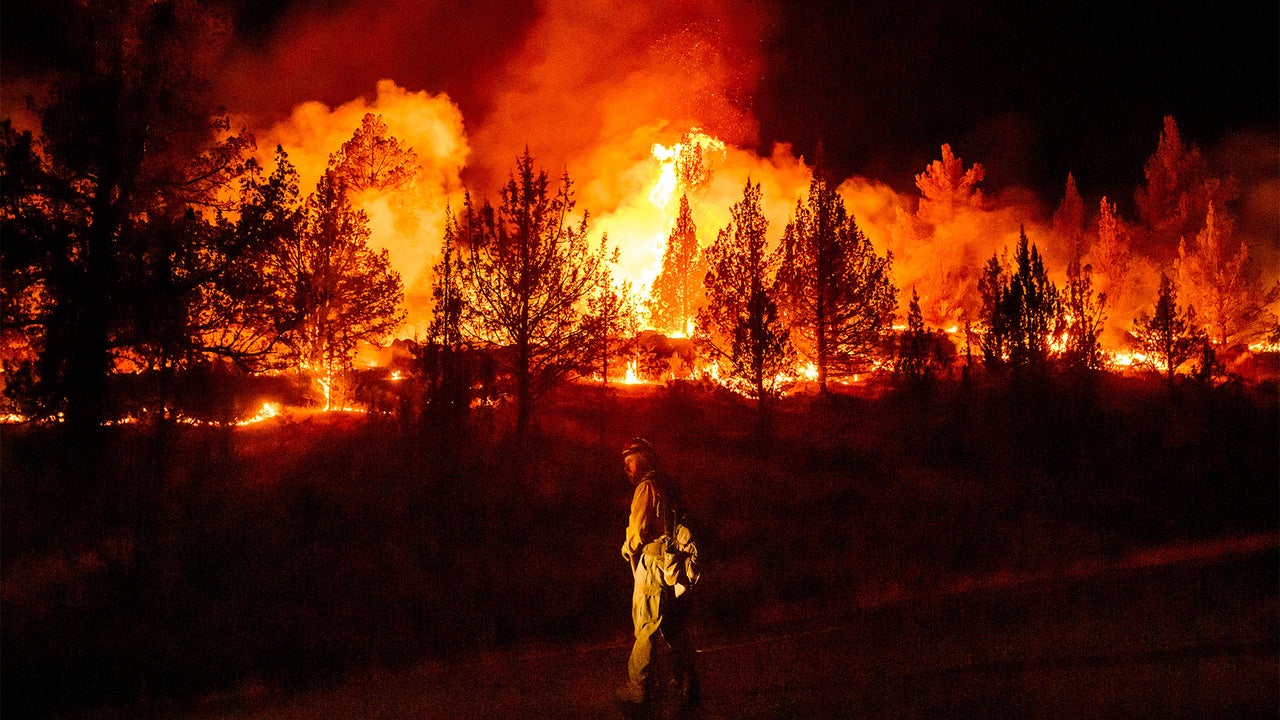
The summer of 2023 has presented a stark paradox in global wildfire activity: while regions like Europe and North America are experiencing increasingly extreme and destructive fires, overall global burning statistics, particularly carbon emissions from fires, have reached a record low. This seemingly contradictory trend is being driven by a combination of human activities and evolving land management practices across different continents.
Fire scientists like Mike Flannigan from Thompson Rivers University in Canada acknowledge the apparent contradiction, stating, "It does seem like a paradox because we’re talking increases in fires, yet the global numbers have been going down and down. But they’re both true." This highlights the localized nature of extreme fire events versus the broader global trends.
In Europe, the situation has been dire. Spain, for instance, has battled its largest wildfire on record, scorching over 193 square miles (approximately 500 square kilometers). Across the continent, the total area burned by wildfires has approached the all-time high recorded for Europe. North America is also facing significant challenges. In Canada and the United States, the land affected by wildfires this summer is at least 25% higher than the 10-year average, and more than double the extent seen decades ago. This intensification has led to widespread smoke plumes, causing severe air quality issues across vast areas of the continent. Jennifer Balch, a fire scientist at the University of Colorado, emphasizes the escalating nature of these events, noting that extreme wildfires are on the rise globally in terms of their size, intensity, speed, and frequency, particularly in the U.S., Canada, and Europe.
Conversely, the global picture, when measured by emissions from burning, tells a different story. The European climate center Copernicus reported that the world entered July 2023 with record low global emissions from fires. This significant decrease is largely attributed to a substantial reduction in fire activity in Africa and Asia. Mark Parrington, a senior scientist at Copernicus, explains that these declines are a result of evolving agricultural practices, more effective fire management strategies, and shifts in population distribution in these regions. Copernicus data reveals that carbon emissions from burning this year are the lowest since satellite measurements began approximately 25 years ago, representing about half of the emissions recorded in the early 2000s. Africa, in particular, plays a dominant role in global fire statistics due to its vast landmass and historical fire regimes. The reduction in burning across such a large continent has a profound impact on the worldwide figures, effectively offsetting the increases seen in other parts of the globe. This divergence underscores the complex interplay of climate change, land use, and human intervention in shaping wildfire patterns worldwide.
Original source — read the full reporting at the publisher:
Read on Fast CompanyGet the weekly AI digest
AI news + new model releases, weekly. Drafted by our agents, reviewed by humans.