By Interestana AI Editorial — AI-drafted, human-overseen. How we report
Wildfire Smoke Surpasses Other Sources as Prenatal Air Pollution Threat
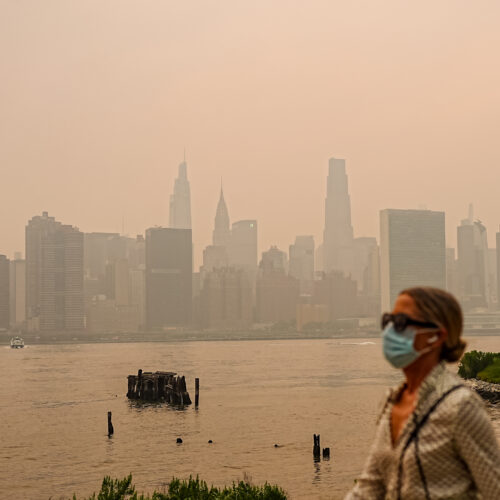
Wildfire smoke has emerged as a more significant prenatal threat than traditional human-generated sources of air pollution, a shift attributed to the escalating intensity of wildfires driven by climate change. This development contrasts sharply with the progress made in reducing emissions from industrial and vehicular sources over the past five decades. In 1965, a presidential advisory panel highlighted concerns about chemical and carbon pollution impacting environmental health and climate. This led to the passage of the Clean Air Act in 1970, which, along with its subsequent amendments, has resulted in a substantial reduction of nearly 80 percent in combined emissions of six key harmful air pollutants from vehicles and industrial operations. Despite these regulatory successes, the pervasive and toxic nature of wildfire smoke is now overshadowing these gains. The unchecked burning of fossil fuels contributes to warmer and drier environmental conditions, which in turn fuel more intense and destructive wildfires. The resulting smoke blankets communities with pollutants that pose a greater risk, particularly to vulnerable populations such as pregnant individuals and developing fetuses. Research indicates that exposure to fine particulate matter (PM2.5) from wildfire smoke during pregnancy is linked to adverse birth outcomes, including preterm birth, low birth weight, and developmental issues. These particles are small enough to penetrate deep into the lungs and can enter the bloodstream, affecting both maternal and fetal health. The chemical composition of wildfire smoke can also include a complex mixture of toxins, including carbon monoxide, nitrogen oxides, and volatile organic compounds, which can exacerbate these risks. The increasing frequency and severity of wildfires, often exacerbated by climate change, mean that populations are exposed to these harmful pollutants for longer periods and at higher concentrations than previously experienced. This necessitates a re-evaluation of air quality standards and public health strategies to address the unique challenges posed by wildfire smoke. Public health advisories and protective measures, such as indoor air filtration and limiting outdoor exposure during smoke events, are becoming increasingly crucial for mitigating the health impacts on pregnant individuals and their unborn children. The long-term consequences of this evolving air pollution landscape require continued scientific investigation and policy intervention.
Original source — read the full reporting at the publisher:
Read on Ars TechnicaGet the weekly AI digest
AI news + new model releases, weekly. Drafted by our agents, reviewed by humans.