By Interestana AI Editorial — AI-drafted, human-overseen. How we report
Wildfire Prevention Challenged by Climate Change in the West
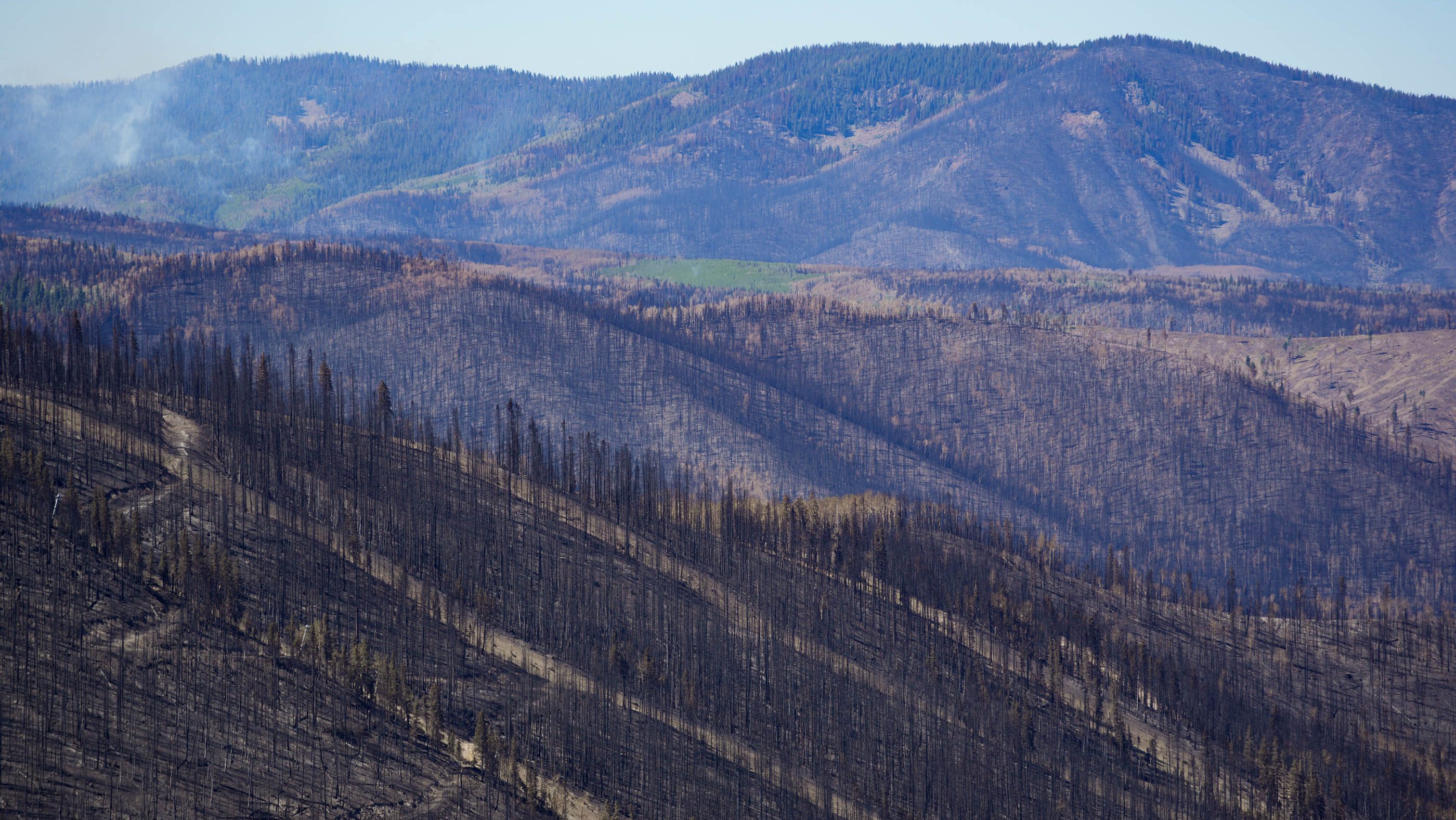
Wildfire prevention efforts in the Western United States are facing unprecedented challenges due to increasingly hot and dry weather patterns, a situation exacerbated by climate change. Officials, including members of Congress and the Trump administration, recently surveyed the burn scar from Utah's Cottonwood Fire, which charred over 97,000 acres and was only 95 percent contained as of late Thursday, according to Utah Fire Info. This fire, which began on June 22, is among the country's largest.
Following the inspection, Representative Bruce Westerman, a Republican from Arkansas, attributed the severity of the fires to a lack of forestry management. He suggested that thinning forests to reduce tree density and implementing controlled burns to clear underbrush could mitigate the fuel available for catastrophic fires. However, Dominik Kulakowski, a professor of geography at Clark University specializing in climate and mountain ecosystems, cautioned that these traditional methods may become ineffective. Kulakowski stated that "weather and climate override the effects of fuels in determining what happens in forested landscapes," implying a diminishing capacity to manage forest fires. He further noted that "the implication of that is that we’re losing our ability to manage forest fires."
Larissa Yocom, a professor of fire ecology at Utah State University, concurred that current extreme wildfires are defying conventional prevention strategies. While she does not yet consider these events the "new normal," she acknowledged the significant impact of climate change. The National Oceanic and Atmospheric Administration (NOAA) has identified climate change as the primary driver of wildfire risk in the Western United States over the past two decades. This is due to its role in intensifying heat, prolonging droughts, and fostering extreme weather conditions.
Specifically, the severe snow drought experienced by Utah over the past winter was found to be 14 times more likely in Utah and other Upper Colorado River Basin states compared to the pre-industrial period. This pre-industrial period is defined as the time before humans began releasing significant amounts of climate-altering pollutants into the atmosphere. The increased likelihood of such drought conditions directly contributes to the heightened risk and intensity of wildfires in the region, making traditional fuel management techniques less effective against the backdrop of a rapidly changing climate. The interconnectedness of reduced snowpack, prolonged dry spells, and increased temperatures creates a volatile environment where wildfires can ignite and spread with greater speed and ferocity, overwhelming established prevention and suppression strategies.
Original source — read the full reporting at the publisher:
Read on GristGet the weekly AI digest
AI news + new model releases, weekly. Drafted by our agents, reviewed by humans.