By Interestana AI Editorial — AI-drafted, human-overseen. How we report
UK Recycling Centres Overwhelmed by Discarded Fridges
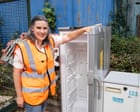
Recycling centers across England and Wales are experiencing an overwhelming influx of discarded refrigerators, primarily due to the strain placed on white goods by recent heatwaves. Simon Perry of W&S Waste Management, which operates a recycling center in Ardley, Oxfordshire, reported that the facility alone is processing approximately three articulated lorries filled with discarded fridges each week. The sheer volume of these appliances, if laid out, would cover an area nearly half the size of a football pitch, highlighting the scale of the storage challenge. This growing problem has been flagged by the Local Government Association (LGA), which has warned of a "mountain" of broken fridges accumulating in waste centers. The LGA attributes this surge not only to the failure of older appliances under extreme heat but also to a persistent trend of consumers purchasing second or backup refrigeration units, which are then discarded when they break or become redundant.
The increased number of broken refrigerators presents a significant logistical and environmental challenge for local authorities and waste management companies. Fridges contain refrigerants, such as hydrofluorocarbons (HFCs), which are potent greenhouse gases if not properly handled and disposed of. The safe removal and destruction of these substances, along with the recycling of other components like metals and plastics, requires specialized facilities and processes. When recycling centers become saturated, the risk of improper storage or disposal increases, potentially leading to the release of these harmful gases into the atmosphere. Furthermore, the physical space required to store such a large quantity of bulky items strains the capacity of existing recycling infrastructure, leading to potential delays in processing and increased operational costs.
The situation underscores a broader issue of consumerism and appliance lifecycles. While the immediate cause is the heatwave's impact on appliance durability, the underlying trend of acquiring multiple refrigeration units suggests changing consumer habits or a perceived need for increased cold storage capacity. This, coupled with the environmental implications of disposing of appliances that contain hazardous materials, points to a need for more robust waste management strategies and potentially consumer education on appliance longevity and responsible disposal. The LGA's warning serves as an urgent call to action for policymakers and the industry to address the growing backlog and develop sustainable solutions for managing end-of-life refrigeration units.
Original source — read the full reporting at the publisher:
Read on The Guardian EnvironmentGet the weekly AI digest
AI news + new model releases, weekly. Drafted by our agents, reviewed by humans.