By Interestana AI Editorial — AI-drafted, human-overseen. How we report
El Niño and Climate Crisis Threaten Global Rice Yields
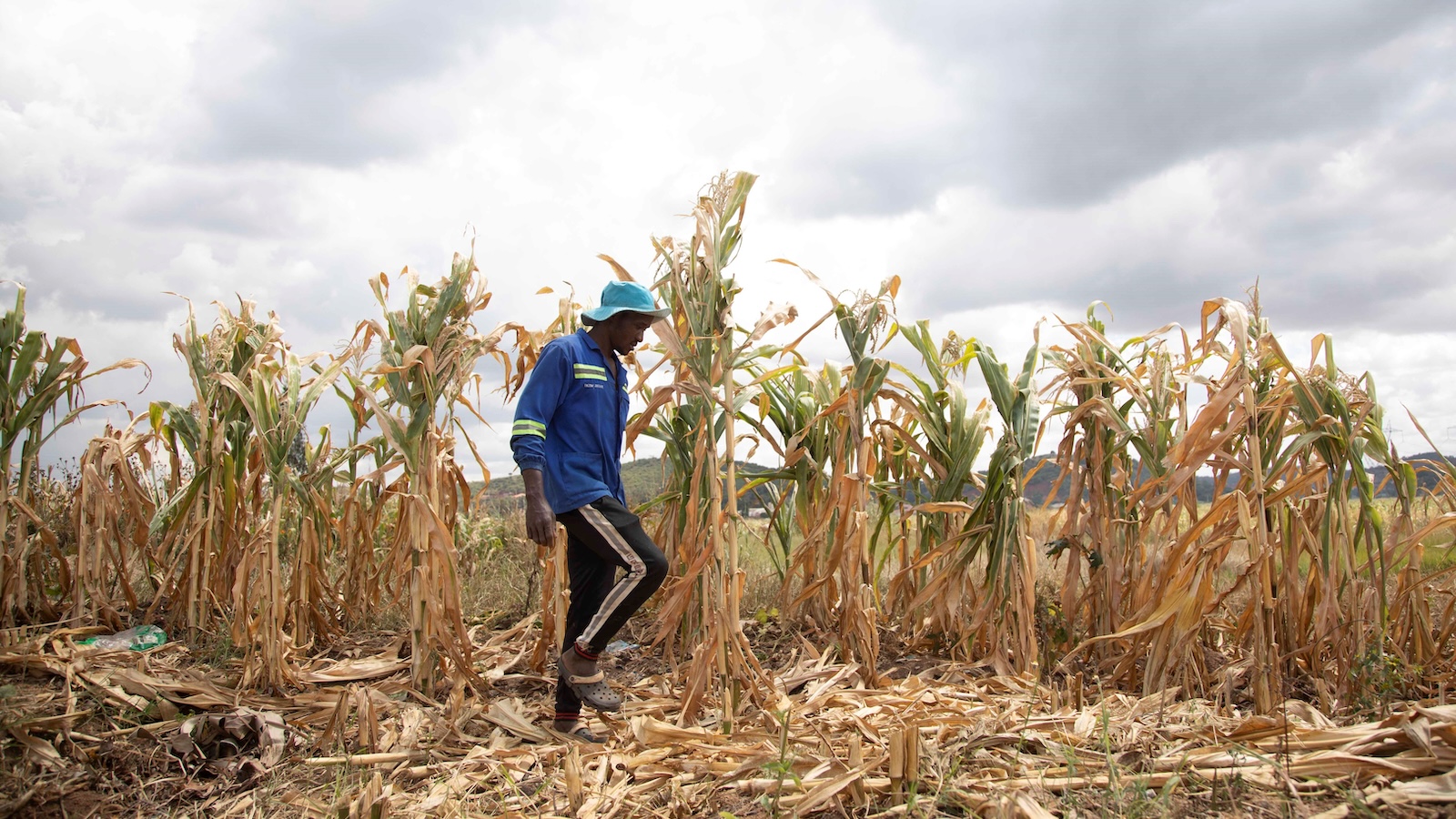
Global rice production is projected to decline for the first time in over a decade due to the intensifying dry and hot weather conditions driven by the current El Niño event and the ongoing climate crisis. This situation poses a significant threat to global food security, as rice is a staple crop for more than half of the world's population. The U.S. Department of Agriculture has issued projections indicating this downturn in production. In the United States, specifically in the Mississippi Delta where most rice cultivation occurs, production for the upcoming season is anticipated to decrease by more than half, reaching the lowest levels observed in 40 years. This sharp decline underscores the vulnerability of agricultural output to extreme weather patterns.
High temperatures are a critical factor that can substantially reduce rice yields, according to Atul Jain, a professor of climate, meteorology, and atmospheric sciences at the University of Illinois. Farmers are expected to face considerable challenges and economic hardship during these extreme climate events. The amount of rice that farmers can produce is intrinsically linked to a variety of weather conditions, including precipitation levels and ambient temperatures. Climate scientists have predicted that the current El Niño phenomenon will be one of the strongest on record, with some characterizing it as a "super El Niño." This naturally occurring event, which typically recurs every two to seven years, is a significant driver of extreme weather globally, including severe droughts in various regions.
Researchers from Columbia University's Climate School reported this week that the present El Niño has already reached "very strong" levels and is expected to continue intensifying in the coming months. During an El Niño year, a weakening of the trade winds occurs, allowing warmer ocean water in the Pacific to drift eastward. This eastward movement triggers convection, characterized by warm air rising from the ocean's surface. Radley Horton, a professor at Columbia's Climate School, described this process as sending out "waves that resonate all across the globe," leading to a redistribution of weather patterns. Consequently, some areas experience unusually wet seasons, while others endure prolonged dry spells. The intensification of this El Niño is likely to cause major disruptions to food systems that rely heavily on staple crops like rice. Jeremy Zwinger, president and CEO of The Rice Trader, highlighted drought as a primary concern, indicating the potential for significant impacts on rice availability and prices worldwide.
Original source — read the full reporting at the publisher:
Read on GristGet the weekly AI digest
AI news + new model releases, weekly. Drafted by our agents, reviewed by humans.