By Interestana AI Editorial — AI-drafted, human-overseen. How we report
Food Industry Embraces Mouthfeel Trend Beyond Flavor
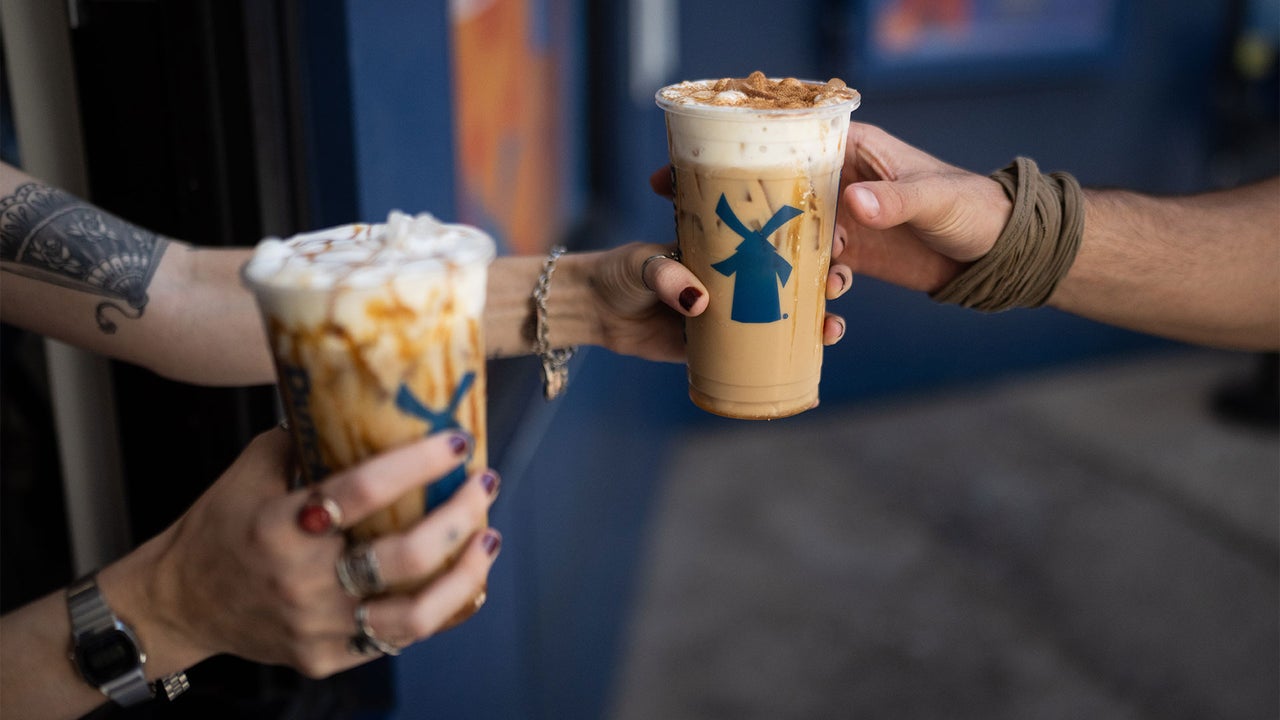
The food and beverage industry is experiencing a significant global trend where texture, scientifically termed "mouthfeel," is becoming as crucial as flavor in consumer appeal and product development. This emphasis on oral sensation is driving innovation, with consumers increasingly drawn to the tactile experience of food and drinks, often without consciously recognizing its impact on their preferences. Industry experts note that the way a food item feels in the mouth has evolved from a secondary characteristic to a primary determinant of food quality and a key factor in purchasing decisions. This shift is reshaping how consumers evaluate products and is influencing their cravings for specific textures, such as the crispiness of takeout foods, the frothiness of coffee beverages, and the chewiness of candies.
This growing importance of mouthfeel is evident in the launch of several new products designed to offer unique textural experiences. Starbucks has introduced the Aerocano, an iced espresso prepared with air-whipping to create a distinct texture. PowerCrunch offers a wafer-like protein bar, emphasizing its layered crunch. Trolli Gummi Popz provide a novel sensation by being frozen yet maintaining a soft and chewy consistency. Puratos, a Belgian company specializing in commercial-grade ingredients for chocolate and baked goods, highlights that texture is no longer just a complementary feature but a defining aspect of food quality. The company states that this trend is fundamentally altering consumer evaluation processes and their subsequent purchasing behaviors.
The mouthfeel trend is a global phenomenon, with diverse regional expressions. In China, stretchy yogurt has emerged as a rapidly growing trend, appealing to consumers seeking unique textural properties. Swedish confectioner Cloetta has released Sprinkled Foamies, a product that combines a crunchy outer coating with a soft marshmallow center, offering a dual-texture experience. Parisian bakers are innovating with pastries like the "crookie," a fusion of a crispy croissant and a melty chocolate chip cookie. Tana Davila, chief marketing officer at Dutch Bros Coffee, a U.S. beverage chain, commented that consumer focus has expanded beyond flavor to encompass the entire sensory experience. The company allows customers to customize their drinks with toppings like sweet, creamy whipped foam and juice-filled balls designed to pop when bitten, further enhancing the textural dimension of their beverages.
Interest in texture is not a new phenomenon, with its roots extending back centuries and encompassing more than just food. Patrick Kalotis, executive vice president of texture and healthful solutions at Ingredion, an Illinois-based ingredient provider, explained that texture is so fundamental to the act of eating that people often describe how a food feels when asked about its taste. He provided examples such as describing a drink as "fizzy" or expressing a preference for the "creaminess of the yogurt." This indicates that consumers naturally associate tactile sensations with flavor and overall satisfaction, underscoring the deep-seated importance of mouthfeel in the culinary landscape.
Original source — read the full reporting at the publisher:
Read on Fast CompanyGet the weekly AI digest
AI news + new model releases, weekly. Drafted by our agents, reviewed by humans.