By Interestana AI Editorial — AI-drafted, human-overseen. How we report
MAGA Movement's Scrutiny of Dr. Anthony Fauci Detailed
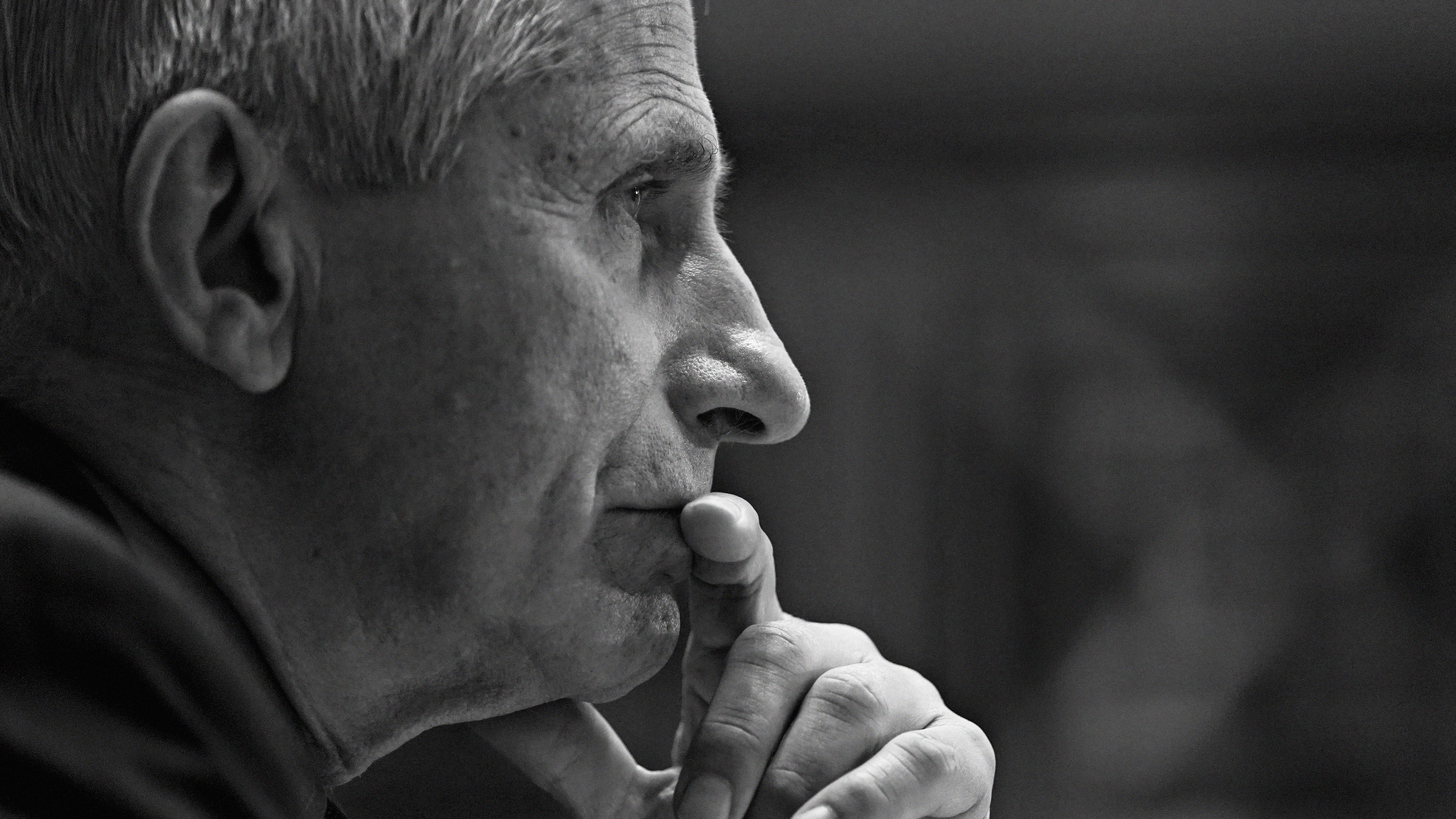
The MAGA movement's intense criticism of Dr. Anthony Fauci stems from a complex interplay of factors, including differing perspectives on pandemic management, political polarization, and the perceived role of public health officials. Following major public health crises, societal responses often involve either collective amnesia or a search for scapegoats, and the COVID-19 pandemic proved no exception.
Dr. Fauci, as the long-serving Director of the National Institute of Allergy and Infectious Diseases (NIAID) and a prominent figure in the White House Coronavirus Task Force, became a focal point for public discontent. His recommendations on public health measures such as mask-wearing, social distancing, and vaccine mandates were often at odds with the political and ideological stances of the MAGA base. These individuals frequently viewed such measures as infringements on personal liberties and questioned the scientific basis or necessity of the mandates.
The political landscape amplified these divisions. Figures within the MAGA movement, including former President Donald Trump, often expressed skepticism towards established scientific consensus and public health guidance, framing Fauci's pronouncements as alarmist or politically motivated. This created a narrative where Fauci was portrayed not as a public servant dedicated to health, but as an agent of a broader establishment seeking to control the populace. The movement's embrace of "America First" rhetoric also contributed, with some viewing Fauci's international collaborations or global health perspectives as secondary to national interests, or even as a threat.
Furthermore, the rise of social media and alternative news ecosystems allowed for the rapid dissemination of narratives critical of Fauci and public health institutions. Misinformation and disinformation campaigns often targeted Fauci directly, portraying him as corrupt, power-hungry, or part of a conspiracy. This created an echo chamber effect, reinforcing negative perceptions among his detractors and solidifying his image as an antagonist to their political ideology. The deep distrust in mainstream media and government institutions, prevalent within the MAGA movement, further fueled the rejection of Fauci's authority and advice. His long tenure and visibility made him an easy target for those seeking to delegitimize the pandemic response and the broader scientific and governmental apparatuses involved.
Original source — read the full reporting at the publisher:
Read on The AtlanticGet the weekly AI digest
AI news + new model releases, weekly. Drafted by our agents, reviewed by humans.