By Interestana AI Editorial — AI-drafted, human-overseen. How we report
Iran's Calculated Gamble: Why Limited Conflict With the US Might Be Preferred Over Peace
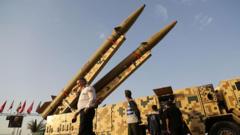
Iran may be strategically positioning itself to favor a limited war with the United States over a complete cessation of hostilities. This approach could allow Iran to exert sustained pressure on its adversary, the United States, while maintaining a degree of control over the escalation, thereby avoiding an all-out conflict. The underlying rationale suggests a calculated risk assessment where the benefits of ongoing, albeit contained, confrontation are perceived to outweigh the potential outcomes of peace or unbridled warfare. This strategic calculus appears to be rooted in the belief that Iran, under the leadership of its Supreme Leader Ayatollah Ali Khamenei, can effectively manage the intensity and scope of any military engagements. By keeping the conflict within defined parameters, Iran might aim to achieve specific geopolitical objectives, such as deterring further aggression from the US and its regional allies like Israel, influencing regional dynamics in the Middle East, or projecting an image of resilience and capability to both domestic and international audiences. The ability to "control" the conflict implies a sophisticated understanding of Iran's own military capacities, including its advanced missile program and the capabilities of its proxy forces such as Hezbollah and the Houthis, its opponent's likely responses, and the broader international context, including the stance of global powers like China and Russia. This controlled approach could serve as a persistent irritant to the US, forcing it to remain engaged and allocate resources to the region, without triggering a response that Iran deems unmanageable or existentially threatening, such as a full-scale invasion or targeted strikes on its nuclear facilities.
Furthermore, a limited war scenario might offer Iran avenues for diplomatic maneuvering or international solidarity that a state of outright war would preclude. It could allow for the continuation of proxy activities or the exploitation of asymmetric warfare tactics, which are often more sustainable for Iran than direct, conventional confrontation. The perception of being engaged in a defensive or retaliatory conflict, even if initiated by Iran's actions such as attacks on shipping in the Persian Gulf or support for militant groups, could also garner a degree of international sympathy or at least complicate the narrative for the US and its allies, potentially leading to calls for de-escalation. This nuanced strategy suggests a long-term vision where incremental gains and sustained pressure are prioritized over decisive, high-risk engagements. The ultimate goal might be to gradually erode US influence in the region, compel concessions from the Biden administration, or achieve a strategic stalemate without the catastrophic consequences of a full-scale war that could destabilize the region further and draw in multiple global powers, potentially leading to a wider regional conflict. This approach allows Iran to continue its regional influence operations and challenge US hegemony without risking its own regime's survival.
Original source — read the full reporting at the publisher:
Read on BBC World NewsGet the weekly AI digest
AI news + new model releases, weekly. Drafted by our agents, reviewed by humans.