By Interestana AI Editorial — AI-drafted, human-overseen. How we report
Leaders Struggle With Negative Feedback Due to Psychological Insecurities
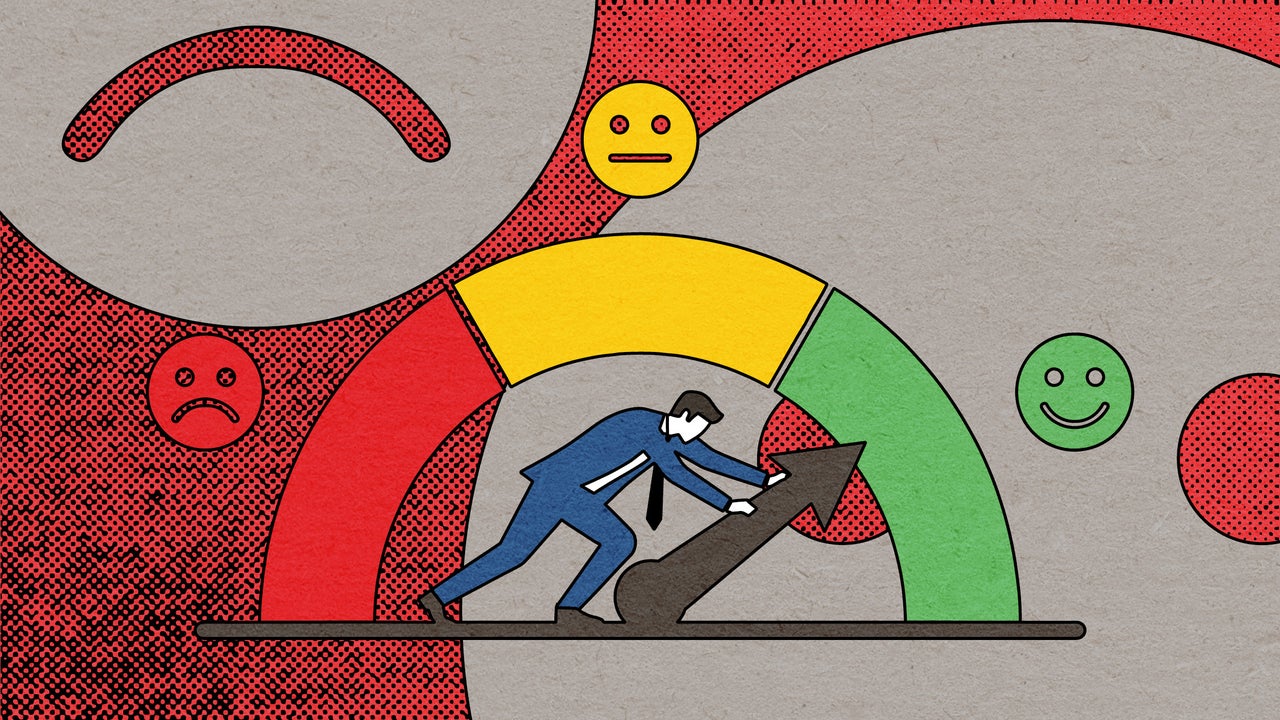
Effective leadership, defined as the ability to coordinate collective human activity into high-performing teams, critically depends on leaders' capacity to deliver constructive feedback. This involves communicating necessary performance improvements, even when the information is unwelcome. In an environment that often prioritizes superficial positivity and self-assurance over genuine self-awareness and competence, providing individuals with an accurate assessment of their abilities relative to their self-perception is a core leadership function. However, both giving and receiving negative feedback present significant challenges for most individuals, including managers and leaders. This difficulty is underscored by a substantial meta-analysis of feedback interventions, which revealed that while feedback improves performance on average, over one-third of such interventions actually result in a decline in performance. The underlying causes are complex, stemming from deep-seated psychological insecurities. Humans, compared to other species, exhibit a greater degree of neuroticism, leading to self-doubt and apprehension about appearing inadequate. This phenomenon, sometimes referred to as depressive realism, describes a state where individuals' self-perceptions align more closely with reality, even if that reality is unflattering. Compounding these insecurities is humanity's unique capacity for self-deception, enabling the distortion of reality to protect and enhance self-esteem. This is exemplified by the tendency to interpret even simple inquiries as evidence of profound curiosity and intelligence, a mechanism that serves to bolster self-worth. Despite these inherent challenges, societal progress since the Enlightenment has fostered a more prosocial, less violent, and more agreeable world. Contemporary concerns about microaggressions and unconscious biases reflect this evolution, alongside efforts to encourage constructive dissent. Yet, the struggle with negative feedback persists, potentially exacerbated by an "epidemic of posi" that may hinder honest communication. The ability to navigate these psychological complexities and deliver feedback that fosters growth rather than defensiveness remains a crucial, albeit difficult, aspect of modern leadership. The research suggests that a delicate balance is required: leaders must foster an environment where individuals feel safe to receive critical input, while also ensuring that the feedback itself is delivered in a manner that is both accurate and actionable. This involves understanding the recipient's psychological state and tailoring the delivery to maximize its positive impact on performance and development. The meta-analysis, which aggregated findings from numerous studies, provides empirical weight to the notion that feedback is not universally beneficial and can, in fact, be detrimental if not handled with care and expertise. The implications for organizational development and management training are significant, highlighting the need for specialized training programs that equip leaders with the skills to provide and receive feedback effectively, thereby enhancing overall team productivity and individual growth.
Original source — read the full reporting at the publisher:
Read on Fast CompanyGet the weekly AI digest
AI news + new model releases, weekly. Drafted by our agents, reviewed by humans.