By Interestana AI Editorial — AI-drafted, human-overseen. How we report
US Faces Critical Shortages of Key Military Weapons
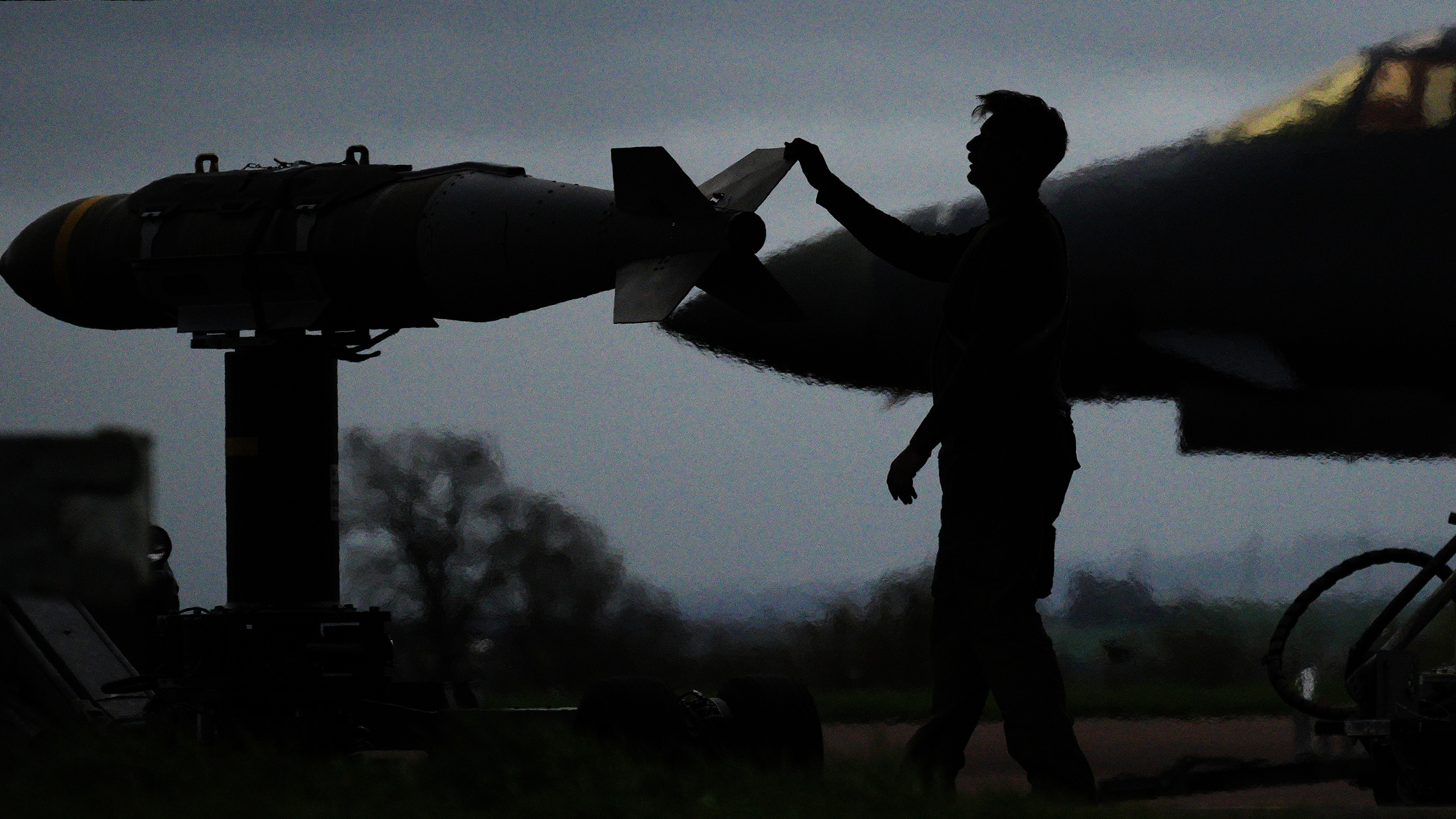
The United States is facing a critical depletion of its military weapon stockpiles, raising concerns about its ability to supply allies and maintain its own defense readiness. This shortage stems from a combination of factors, including increased demand from ongoing conflicts, a slower pace of production compared to consumption, and a historical underinvestment in replenishing these vital resources. Allies who rely on U.S. military equipment are particularly vulnerable, as a diminished U.S. capacity to provide aid could force them to seek alternative suppliers or develop independent defense strategies. The situation highlights a complex interplay between global geopolitical events, industrial capacity, and long-term defense planning.
One primary driver of the depletion is the substantial military aid provided to Ukraine following Russia's full-scale invasion in February 2022. The U.S. has been a leading supplier of arms and ammunition to Kyiv, sending billions of dollars worth of equipment. While essential for supporting Ukraine's defense efforts, this sustained outflow has significantly drawn down American inventories. Concurrently, the pace of domestic production for many critical munitions and weapon systems has not kept up with the accelerated rate of consumption, both in Ukraine and through routine training and readiness exercises within the U.S. military itself. This imbalance between supply and demand has created a widening gap in available resources.
The issue is not confined to a single category of weapons; rather, it spans a range of essential military hardware. Specific concerns have been raised about artillery shells, anti-tank missiles, and other high-demand munitions. The Pentagon has acknowledged these challenges, with officials indicating that replenishing these stocks is a top priority. However, the process of rebuilding inventories is a lengthy and complex undertaking, requiring significant investment in manufacturing infrastructure and a sustained commitment to production. The lead times for producing certain advanced weaponry can extend for years, meaning that even with increased orders, a full recovery of stockpiles will take considerable time.
Furthermore, the current situation underscores a broader trend of underinvestment in defense industrial capacity over the past two decades. Following the end of the Cold War, there was a strategic shift towards drawing down large stockpiles and focusing on more agile, expeditionary warfare. This approach, while perhaps suitable for a different era, has proven insufficient in the face of sustained, high-intensity conflicts and a more volatile global security environment. The reliance on just-in-time production models and the consolidation of defense manufacturing have also contributed to a less resilient supply chain, making it harder to scale up production rapidly when needed. Allies are now being advised to develop contingency plans, recognizing that the U.S. may not be able to fulfill all their future equipment needs as readily as in the past. This necessitates a recalibration of defense partnerships and a greater emphasis on self-sufficiency for many nations.
Original source — read the full reporting at the publisher:
Read on The AtlanticGet the weekly AI digest
AI news + new model releases, weekly. Drafted by our agents, reviewed by humans.