By Interestana AI Editorial — AI-drafted, human-overseen. How we report
High Achievers Struggle With Mainstream Self-Compassion Advice
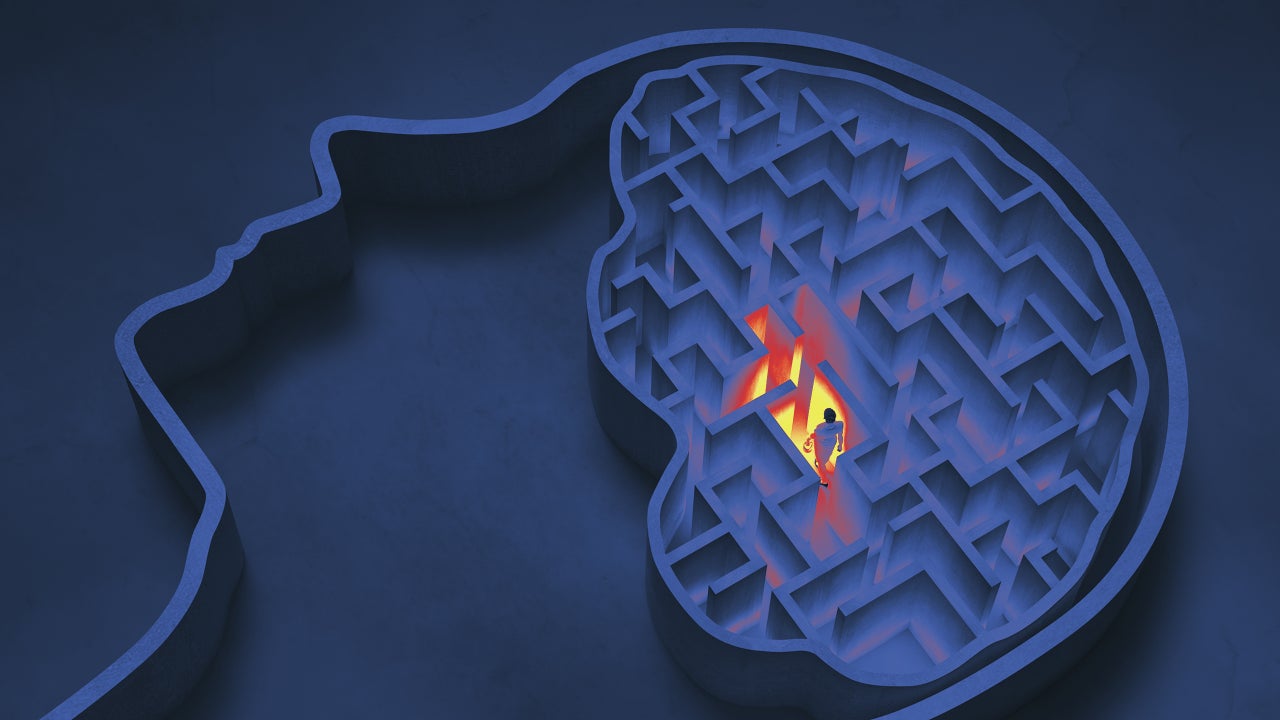
For high achievers, the common advice to "be kinder to yourself" often proves ineffective because it doesn't account for the demands of a fast-paced world or the ingrained identity built on performance and output. This dominant narrative of self-compassion frames it as a feeling that can be accessed through sheer willpower, a notion that disconnects from the reality of individuals whose careers and identities are deeply tied to relentless success.
The ineffectiveness of this approach stems from a misunderstanding of how change and self-perception function. Mainstream self-compassion teachings often fail to consider the psychological state and pace of the world, assuming self-compassion is a simple internal adjustment. This framing is particularly unhelpful for individuals who equate their worth with their achievements, leading the advice to be perceived as irrelevant or even irritating.
Intelligent self-compassion, however, extends beyond individual well-being to impact organizational effectiveness. When individuals lack self-understanding, they may interpret their behavioral patterns as personal failures, leading to self-judgment. This judgment, according to developmental psychologists Robert Kegan and Lisa Lahey, coauthors of "Immunity to Change," creates a form of neurological and structural resistance. They describe this as "immunity to change," a state where humans simultaneously strive for evolution and survival, metaphorically pressing both the accelerator and the brake.
This internal conflict, a psychological tug-of-war, makes change feel insurmountable. The survival drive protects individuals from perceived threats like failure or appearing incompetent to peers, thereby hindering change. Consequently, individuals may judge themselves more harshly for their inability to change, creating a cycle of resistance and self-criticism. Most change initiatives fail because they attempt to alter behavior in individuals who have not yet developed a foundation of self-compassion.
Original source — read the full reporting at the publisher:
Read on Fast CompanyGet the weekly AI digest
AI news + new model releases, weekly. Drafted by our agents, reviewed by humans.