By Interestana AI Editorial — AI-drafted, human-overseen. How we report
Fashion Economics Hamper Sustainable Brands
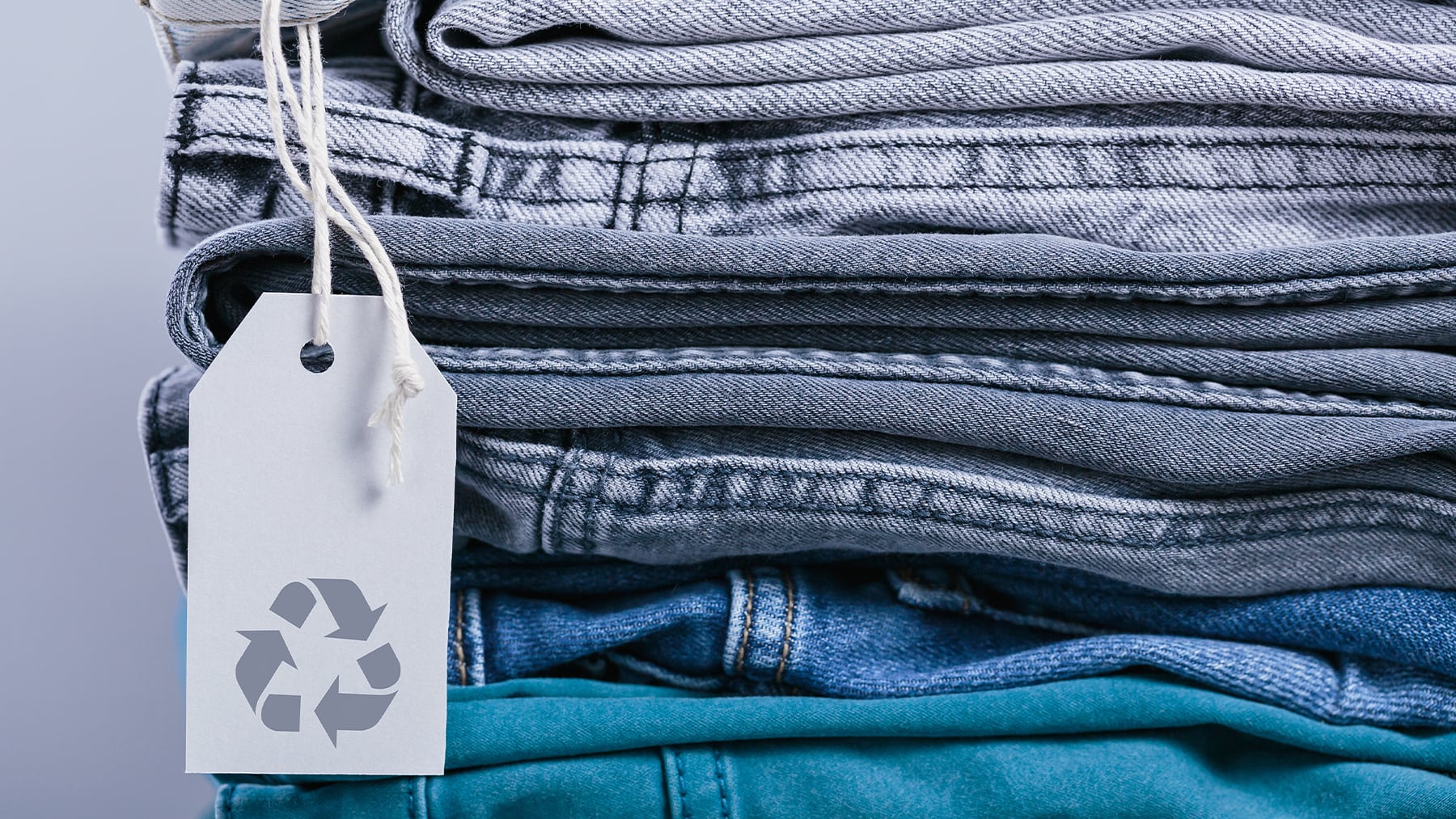
The prevailing economic structures within the fashion industry present significant challenges for brands prioritizing sustainability, creating an uneven playing field against less responsible competitors. Brands that embrace a comprehensive approach to a garment's lifecycle, extending their responsibility to include the post-purchase phase and eventual disposal, incur substantial costs that are not borne by companies that do not adopt similar practices. This fundamental economic disparity makes it difficult for genuinely sustainable business models to achieve parity in competitiveness.
The core issue lies in the allocation of costs associated with environmental and social responsibility. For instance, a sustainable brand might invest in sourcing eco-friendly materials, ensuring fair labor practices throughout its supply chain, and implementing take-back programs for garment recycling or upcycling. These initiatives, while crucial for environmental stewardship and ethical production, translate into higher operational expenses. These expenses are often passed on to consumers through higher price points, which can deter a significant portion of the market, especially when fast fashion alternatives offer similar aesthetics at considerably lower costs.
Conversely, conventional fashion brands often externalize these costs. They may utilize cheaper, less sustainable materials, operate in regions with lax labor regulations, and have no formal responsibility for the end-of-life of their products. This allows them to maintain lower production costs and offer products at more accessible prices, thereby capturing a larger market share. The economic incentive, therefore, leans towards practices that are detrimental to the environment and social well-being, as these are often the most profitable in the short to medium term.
Furthermore, the linear model of production and consumption, characterized by "take-make-dispose," is deeply embedded in the fashion industry's economic framework. This model thrives on rapid turnover and constant newness, encouraging overconsumption. Sustainable models, which often advocate for durability, repair, and circularity, inherently challenge this paradigm. The financial systems, investment strategies, and consumer demand patterns are largely built around the existing linear economy, making a transition to a circular and sustainable economic model a complex and costly undertaking for individual brands. Without systemic shifts in investment, regulation, and consumer behavior, the economic headwinds will continue to impede the widespread adoption and success of sustainable fashion brands.
Original source — read the full reporting at the publisher:
Read on Business of FashionGet the weekly AI digest
AI news + new model releases, weekly. Drafted by our agents, reviewed by humans.