By Interestana AI Editorial — AI-drafted, human-overseen. How we report
Silicon Valley Hubris Echoes Enron's Rise and Fall
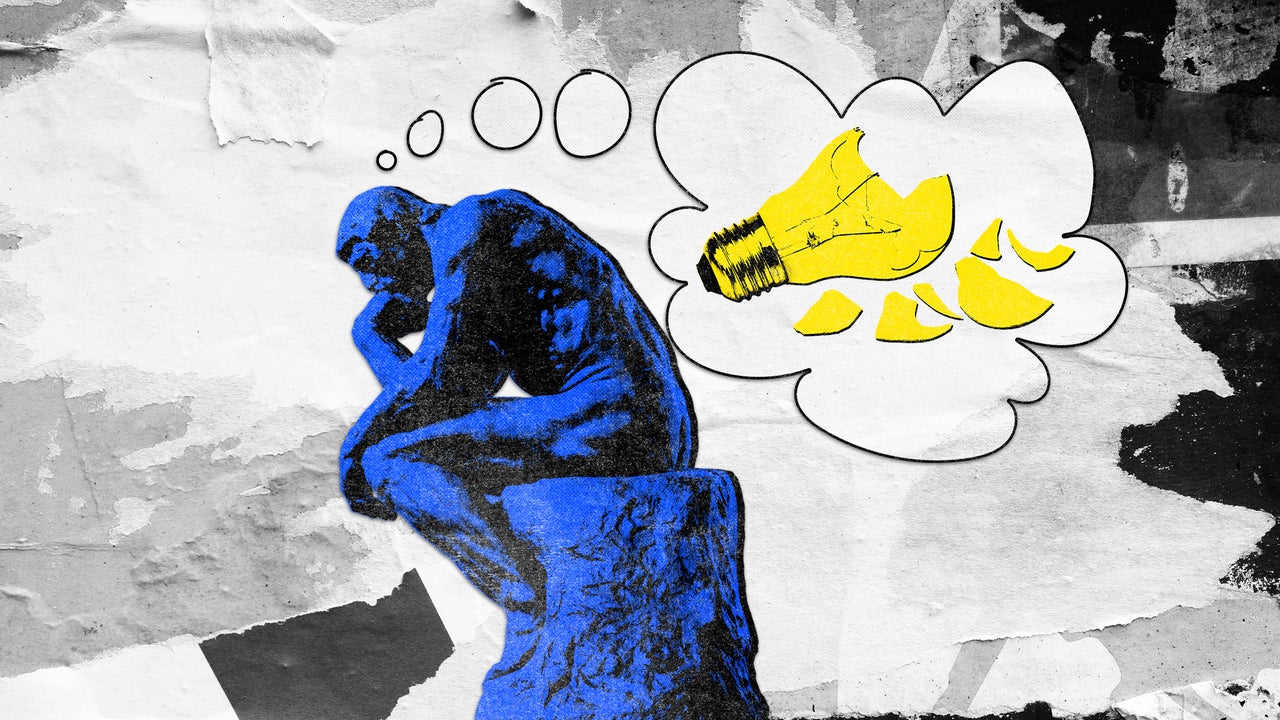
The commentary draws a parallel between the overconfidence exhibited by some prominent figures in Silicon Valley and the catastrophic downfall of Enron Corporation, a once-innovative energy trading company. The author, reflecting on a podcast featuring tech investor Jason Calacanis, notes his casual assertions on complex geopolitical and regulatory matters, such as resolving the Russia-Ukraine conflict through land swaps and questioning U.S. government oversight of mergers and acquisitions. These pronouncements, made without apparent deep expertise, are contrasted with the historical narrative of Enron, which, despite its early successes, ultimately succumbed to arrogance and a belief in a universal business model. Calacanis's comments on Ukraine are presented as an example of this hubris, suggesting a tech investor's overreach into areas beyond their core competency.
The article references Bethany McLean's "The Smartest Guys in the Room," a chronicle of Enron's trajectory. The author recounts personal experience working on a natural gas trading desk early in their career, acknowledging Enron's initial operational excellence. However, this proficiency reportedly fostered an arrogance among Enron executives, leading them to make significant, ill-informed bets across diverse industries. This pattern of success breeding overconfidence is identified as a recurring theme, particularly evident in contemporary Silicon Valley.
Further support for this observation comes from Sarah Wynn-Williams' "Careless People," which details her experiences with Silicon Valley executives. Wynn-Williams describes individuals so insulated by wealth and power that they became detached from global realities. An anecdote illustrates this disconnect: a senior leader expressed surprise upon learning that refugees in camps do not have jobs, a fundamental aspect of economic life. This incident is presented as echoing the Enron story, where initial genuine innovation in energy trading during the 1990s deregulation led executives to believe their model was universally applicable, extending into ventures like water, broadband, advertising, and shipping, which ultimately proved unsustainable.
The core argument posits that unchecked success can foster a dangerous level of hubris, causing even intelligent individuals to make demonstrably poor judgments. This phenomenon, exemplified by both Enron's past and certain current Silicon Valley narratives, underscores the risks associated with overconfidence and a detachment from practical realities. The commentary suggests that while innovation is crucial, it must be tempered with humility and a grounded understanding of the complexities of the markets and geopolitical landscapes in which businesses operate. The narrative of Enron serves as a cautionary tale about how even the most brilliant minds can falter when their success leads to an inflated sense of infallibility.
Original source — read the full reporting at the publisher:
Read on Fast CompanyGet the weekly AI digest
AI news + new model releases, weekly. Drafted by our agents, reviewed by humans.