By Interestana AI Editorial — AI-drafted, human-overseen. How we report
Empathy Emerges as Crucial Human Leadership Skill Amidst AI Advancements
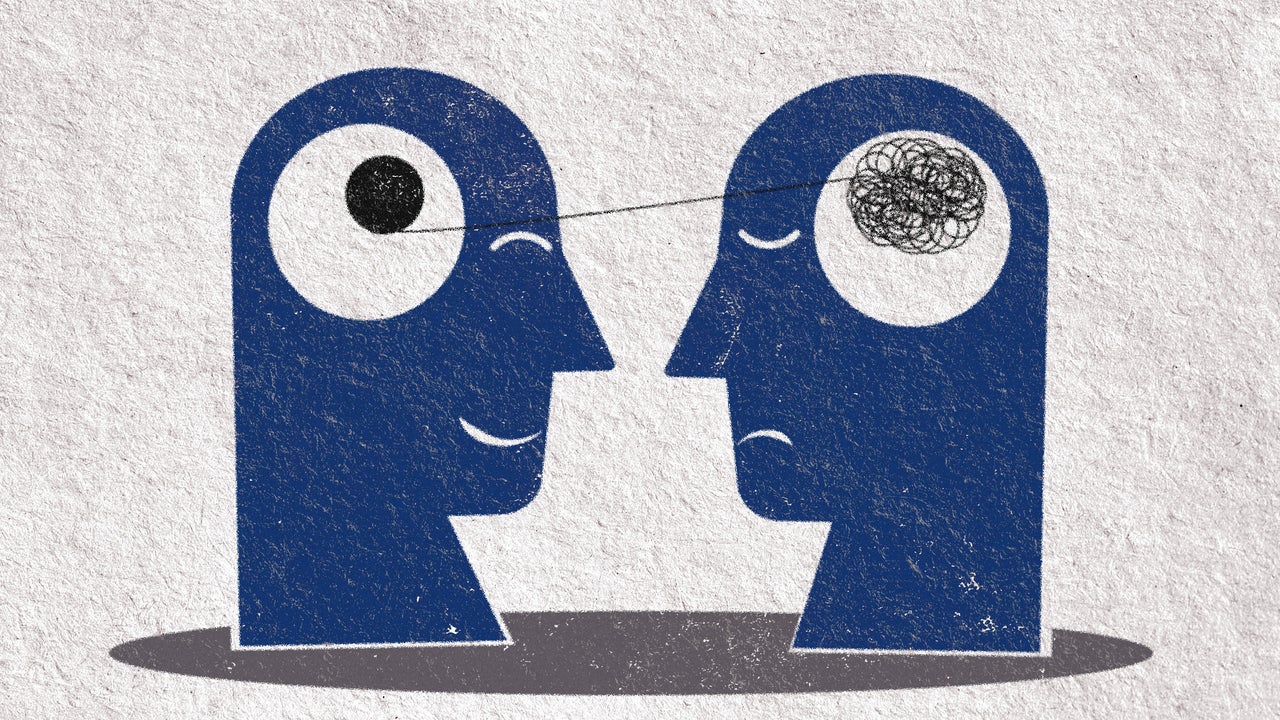
In an era where artificial intelligence can process information, identify patterns, and generate reports with unprecedented speed and efficiency, the value of traditional human intelligence in the workplace is being redefined. AI's capacity to perform tasks that once demanded significant human effort implies a shift in the essential skills required for future success. The ability to be the most knowledgeable individual in a room diminishes in importance when AI can access and analyze more accurate information instantaneously. However, a distinct human capability that AI currently lacks is the ability to genuinely care for others and make them feel understood. Doug Noll, author of "Empathy Leadership," defines empathy as "the learned ability to observe and name the emotional experience of another person from that person’s frame of reference." Noll's background as a lawyer who transitioned into peacemaking, including training thousands of incarcerated individuals in California between 2010 and 2020 with his colleague Laurel Kaufer to reduce prison violence, highlights the practical application of empathy. Their methodology utilized empathy as a core skill for de-escalation and nervous system regulation. Noll emphasizes that empathy is not a vague concept but a "precise neurophysiological skill that anyone can quickly learn and apply." This work underscores the profound impact of empathy. The article outlines four critical areas where empathy remains indispensable in the workplace, areas that cannot be delegated to AI. Firstly, appreciation is paramount. Employees often depart from organizations not solely due to compensation, workload, or career progression, but because they feel unacknowledged and unappreciated. A poignant anecdote illustrates this point: a 20-year employee received a recognition email for her tenure, only to discover it was generated by AI. The disappointment of realizing her manager did not personally craft the message highlights a significant deficit in human connection that AI cannot replicate. This lack of authentic appreciation can lead to decreased morale and higher employee turnover, demonstrating that while AI can automate communication, it cannot substitute for genuine human sentiment and recognition. The article implies that leaders must cultivate and demonstrate empathy to foster a positive and productive work environment, ensuring that employees feel valued beyond their quantifiable contributions.
Original source — read the full reporting at the publisher:
Read on Fast CompanyGet the weekly AI digest
AI news + new model releases, weekly. Drafted by our agents, reviewed by humans.